

Tea Ceremony in Gion: An Authentic Japanese Cultural Experience in Kyoto
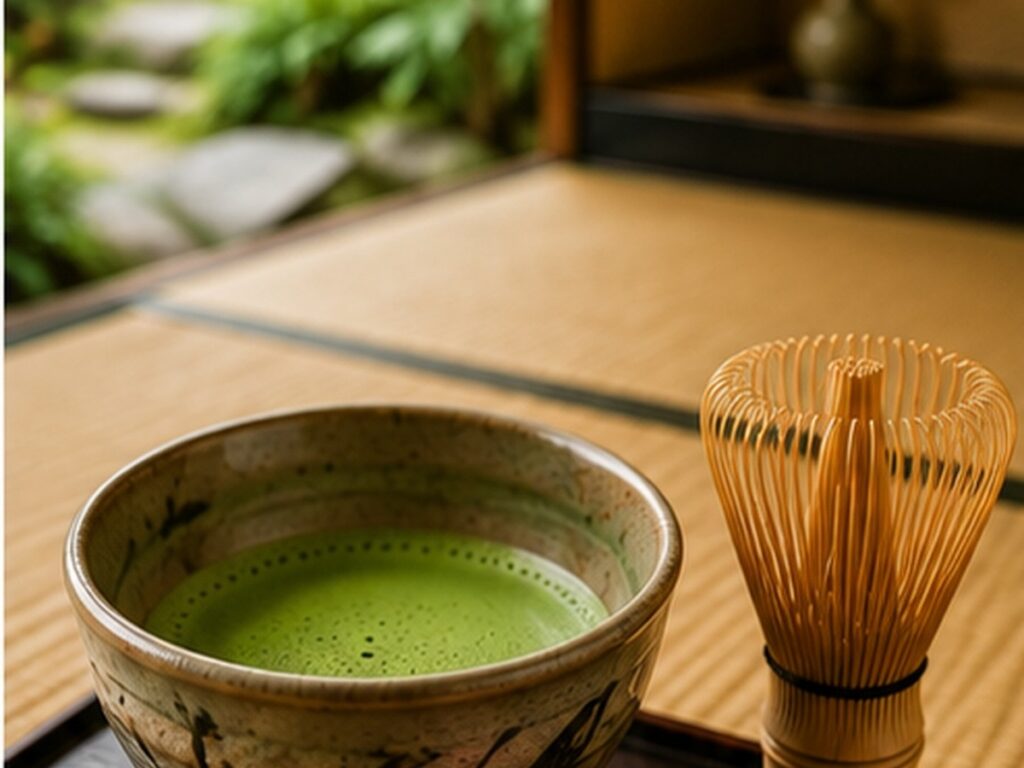
If you are looking for an authentic Japanese cultural experience in Kyoto, joining a tea ceremony in Gion is one of the most memorable ways to experience the city.
Gion is known around the world for its historic streets, traditional wooden machiya houses, temples, shrines, and maiko and geiko culture.
But instead of simply walking through this beautiful neighborhood, you can step inside a traditional Japanese space and become part of the culture yourself.
Sit on tatami.
Watch matcha being carefully prepared.
Taste traditional Japanese wagashi.
Learn about the meaning behind the tea ceremony.
And even whisk your own bowl of matcha using a bamboo chasen.
For first-time visitors to Japan, a tea ceremony can offer something very different from ordinary sightseeing.
In this guide, we explain what to expect from a tea ceremony in Gion, why Gion is an ideal place to experience it, what beginners should know, and how to choose an authentic tea ceremony during your visit to Kyoto.
Why Experience a Tea Ceremony in Gion?
You can experience Japanese tea ceremony in many parts of Japan.
But Gion provides a setting that makes the experience particularly special.
Located in Kyoto’s historic Higashiyama area, Gion has long been associated with traditional Japanese culture.
Walking through the neighborhood, you will find historic streets, wooden machiya buildings, temples, shrines, traditional restaurants, and teahouses.
The area is also famous as one of Kyoto’s traditional kagai, where maiko and geiko culture continues today.
This means your tea ceremony does not have to be an isolated activity.
You can spend the day walking through historic Kyoto and then step inside a quiet tea room to experience one of Japan’s most important cultural traditions.
Rather than simply seeing traditional Kyoto, you can participate in it.
What Is a Japanese Tea Ceremony?
The Japanese tea ceremony is traditionally known as chanoyu or sado.
At its simplest, it involves preparing and serving matcha.
But tea ceremony is about much more than drinking tea.
The tea room.
The utensils.
The tea bowl.
The seasonal flowers.
The wagashi.
The movements of the host.
Even the way guests receive and appreciate the tea.
Every element contributes to the experience.
At the heart of tea ceremony is hospitality and consideration for the guest.
The host carefully prepares the environment and each bowl of tea so that the people present can share one particular moment together.
This attention to detail is one reason tea ceremony offers international visitors such an interesting introduction to Japanese culture.
What Happens During a Tea Ceremony in Gion?
The exact program depends on the venue, but beginner-friendly tea ceremony experiences in Kyoto are designed so that travelers can participate without previous knowledge.
Here is what you can generally expect.
1. Enter a Traditional Japanese Tea Room
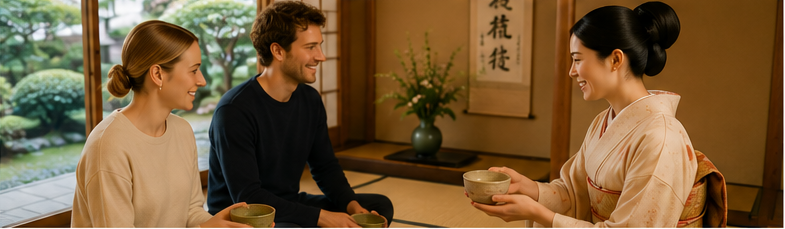
The experience begins when you enter the tea room.
You may remove your shoes before entering a tatami room, as is customary in traditional Japanese spaces.
Take a moment to observe your surroundings.
You may see tatami flooring, a hanging scroll, seasonal flowers, tea utensils, and other carefully selected elements.
The simplicity of the room is intentional.
Tea ceremony encourages guests to focus on the present moment.
2. Learn About Japanese Tea Culture
Before or during the ceremony, you may receive an introduction to Japanese tea culture.
You can learn about the history and philosophy of tea ceremony as well as the tools used to prepare matcha.
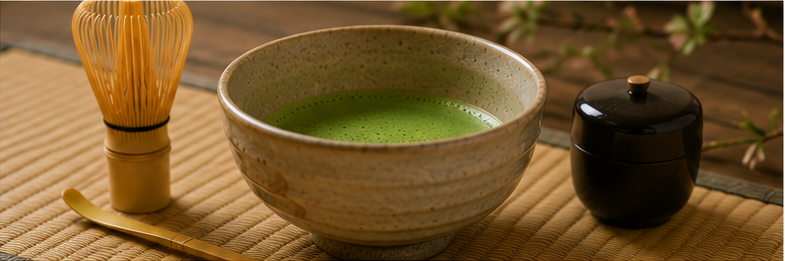
Some of the most important utensils include:
- Chawan — the tea bowl
- Chasen — the bamboo whisk used to prepare matcha
- Chashaku — a bamboo scoop for measuring matcha
- Natsume — a traditional container used to hold matcha
Understanding these objects makes it easier to appreciate the careful movements you will see during the ceremony.
3. Watch Matcha Being Prepared
One of the most fascinating parts of a Japanese tea ceremony is watching the preparation itself.
The host carefully handles each utensil.
Matcha is placed into the tea bowl.
Hot water is added.
Then the tea is whisked with a bamboo chasen.
The movements may appear simple, but traditional tea ceremony requires years of practice.
Rather than rushing toward the finished drink, pay attention to the process.
The sound of the water, the movement of the chasen, and the quiet atmosphere are all part of the experience.
4. Enjoy Traditional Japanese Wagashi
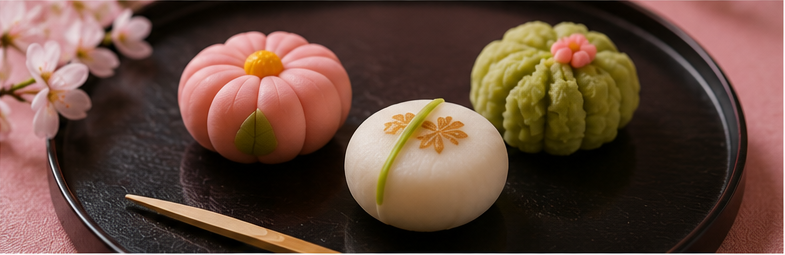
Tea ceremony often includes wagashi, traditional Japanese sweets.
Wagashi are generally enjoyed before drinking matcha.
Their sweetness balances the characteristic bitterness and umami of the tea.
They are also closely connected with Japan’s seasons.
Depending on when you visit Kyoto, the shape, color, and design of the wagashi may be inspired by cherry blossoms, summer scenery, autumn leaves, snow, or other seasonal elements.
This combination of matcha and wagashi is an important part of traditional Japanese tea culture.
5. Drink Authentic Matcha
After enjoying the wagashi, you receive a bowl of freshly prepared matcha.
Traditional matcha is different from the sweet matcha lattes many international visitors may already know.
There is no milk.
There is usually no added sugar.
Instead, you experience the natural aroma, bitterness, sweetness, and umami of the tea itself.
Do not worry if you do not know how to hold or turn the tea bowl.
A beginner-friendly experience will guide you through the basic etiquette.
6. Try Whisking Matcha Yourself
For many travelers, this becomes one of the highlights of the experience.
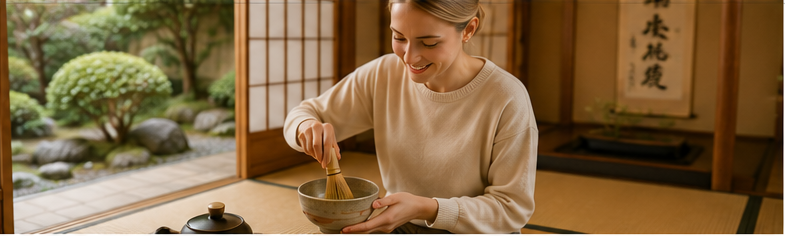
Rather than simply watching someone prepare matcha, some tea ceremony experiences allow you to pick up a chasen and make a bowl yourself.
Learning how to whisk matcha turns the experience into something hands-on.
You are no longer only observing Japanese culture.
You are participating in it.
And drinking a bowl of matcha you prepared yourself can become a memorable part of your trip to Kyoto.
Do You Need to Know Tea Ceremony Etiquette?
No previous knowledge is necessary for most tourist-friendly tea ceremonies in Kyoto.
Traditional tea ceremony has many detailed customs and forms of etiquette, and mastering them takes years.
Visitors are not expected to arrive knowing everything.
Your host can explain the important points during the experience.
For first-time participants, the most important things are simple:
Listen to the host.
Treat the utensils and tea room with care.
Be respectful toward the other guests.
And enjoy the experience.
Tea ceremony is not a test.
You do not need to perform every movement perfectly to appreciate Japanese tea culture.
What Should You Wear to a Tea Ceremony in Gion?
You generally do not need special clothing to participate in a tea ceremony designed for visitors.
Normal travel clothing is usually fine.
Because many traditional Japanese rooms have tatami flooring, you may need to remove your shoes.
Comfortable clothing that allows you to sit easily is therefore a good choice.
If you are already planning to rent a kimono in Kyoto, combining kimono and tea ceremony in Gion can also create a particularly memorable cultural experience.
You might rent a kimono, explore Gion, visit a temple or shrine, and then join a tea ceremony.
It is an easy way to combine several traditional Kyoto experiences in one day.
Can You Join a Tea Ceremony Without Speaking Japanese?
Yes.
Kyoto welcomes millions of international travelers, and tea ceremony experiences are available for visitors who do not speak Japanese.
This is important because understanding the meaning behind what you are seeing makes the experience much richer.
Why is wagashi eaten before matcha?
What is a chasen?
Why are the movements so deliberate?
What does hospitality mean in Japanese tea culture?
An experience with explanations for international visitors can help you understand not only what happens during tea ceremony but why it happens.
When choosing a tea ceremony in Gion, check whether the experience is suitable for international guests.
How Long Does a Tea Ceremony in Kyoto Take?
The length of a tea ceremony depends on the type of experience.
A highly formal traditional tea gathering can last several hours and may include food and multiple servings of tea.
Experiences designed for travelers are usually structured so they can be included within a day of sightseeing.
For example, the Tea Ceremony Experience at THE TEA CEREMONY GION Orizuruya lasts approximately 90 minutes.
This gives visitors enough time to learn about tea culture, watch the preparation, enjoy matcha and wagashi, and participate themselves without taking up an entire day in Kyoto.
How Much Does a Tea Ceremony in Gion Cost?
Prices vary depending on the location, duration, group size, and what is included in the experience.
A simple matcha experience and a more immersive tea ceremony are not necessarily the same thing.
When comparing experiences, look beyond the price alone.
Consider whether you can:
- Learn about Japanese tea ceremony
- Watch traditional tea preparation
- Enjoy authentic matcha
- Taste Japanese wagashi
- Prepare matcha yourself
- Receive explanations suitable for international visitors
- Experience the ceremony in a traditional Japanese environment
At THE TEA CEREMONY GION Orizuruya, the standard 90-minute Tea Ceremony Experience is ¥7,700 per person.
For travelers who want to do more than simply drink matcha, the hands-on elements and cultural explanations are an important part of the experience.
How to Choose an Authentic Tea Ceremony in Kyoto
There are many tea-related activities available in Kyoto, so choosing one can be difficult.
If you are looking for an authentic cultural experience rather than simply a matcha drink, consider several factors.
Choose a Traditional Setting
The environment is an important part of tea ceremony.
A Japanese-style room with tatami and traditional elements helps you understand how tea ceremony is experienced as a complete cultural practice.
Look for Cultural Explanation
A good experience should help you understand what you are seeing.
Learning about the utensils, etiquette, history, and philosophy transforms the activity from simply drinking tea into a cultural experience.
Choose a Hands-On Experience
Watching an experienced host prepare matcha can be beautiful.
Preparing it yourself adds another dimension.
If you want an immersive experience, look for a program that allows guests to use a chasen and whisk their own tea.
Consider the Location
Kyoto is a large city, and travel time matters.
Choosing an experience near other attractions makes it much easier to include in your itinerary.
This is one of the major advantages of joining a tea ceremony in Gion.
Why Gion Is an Ideal Location for Your Kyoto Tea Ceremony
Location can significantly change the feeling of a cultural experience.
Imagine spending the morning or afternoon exploring modern city streets and then entering a tea room.
Now compare that with walking through Gion first.
Traditional machiya houses.
Stone-paved streets.
Kennin-ji Temple.
Yasaka Shrine.
Kyoto’s historic kagai culture.
Then you step inside a Japanese room and experience tea ceremony.
The surrounding neighborhood provides cultural context before the ceremony even begins.
Gion is also convenient for sightseeing because many important attractions are within walking distance.
This makes tea ceremony easy to include in a half-day or full-day Gion itinerary.
Tea Ceremony at THE TEA CEREMONY GION Orizuruya
For travelers searching for an authentic tea ceremony in Gion, THE TEA CEREMONY GION Orizuruya offers a hands-on Japanese cultural experience in the heart of the district.
The standard Tea Ceremony Experience lasts approximately 90 minutes and costs ¥7,700 per person.
During the experience, guests can learn about Japanese tea culture, observe traditional matcha preparation, enjoy matcha with Japanese wagashi, and use a bamboo chasen to prepare their own tea.
This hands-on approach is particularly suitable for first-time visitors.
You do not need previous experience with tea ceremony.
Instead, you can learn while participating.
Orizuruya is located approximately:
4 minutes on foot from Gion-Shijo Station
and
7 minutes on foot from Kyoto-Kawaramachi Station.
This central Gion location makes the experience easy to combine with some of Kyoto’s best-known attractions.
More Than Tea: Other Cultural Experiences at Orizuruya
If you want to experience more of Japanese culture during your visit, Orizuruya also offers experiences that combine tea ceremony with other traditions.
Calligraphy & Tea Ceremony
Japanese calligraphy, or shodo, transforms written characters into an artistic practice.
Combining calligraphy and tea ceremony allows visitors to experience two different sides of traditional Japanese aesthetics.
The Calligraphy & Tea Ceremony Experience lasts approximately 120 minutes.
Maiko Tea Ceremony
For an experience particularly connected with Gion, Orizuruya also offers a Maiko Tea Ceremony.
Guests can experience tea preparation by a real maiko in a setting designed to introduce visitors to Kyoto’s living traditional culture.
Rather than hoping to briefly see a maiko while walking through Gion, a formal experience provides a respectful way to engage with this cultural tradition.
What to Do Before and After Your Gion Tea Ceremony
One of the advantages of choosing Gion is that you can easily build the tea ceremony into your Kyoto sightseeing itinerary.
For example:
1:00 PM — Visit Kennin-ji Temple
Begin with one of Kyoto’s important Zen temples.
Zen and Japanese tea culture have deep historical connections, making this an especially interesting place to visit before a tea ceremony.
2:00 PM — Walk Through Gion
Explore the historic streets and machiya architecture around Gion.
3:00 PM — Join a Tea Ceremony
Step inside a traditional Japanese setting and spend approximately 90 minutes experiencing matcha, wagashi, and tea culture.
5:00 PM — Visit Yasaka Shrine
Continue through Gion toward one of Kyoto’s most famous shrines.
6:00 PM — Walk Along the Kamo River
Return toward Gion-Shijo and enjoy the atmosphere beside the river.
From there, you can cross toward Pontocho or Kawaramachi for dinner.
In one afternoon, you can experience Zen, historic Kyoto, tea ceremony, a shrine, and modern everyday life along the Kamo River.
Tea Ceremony in Gion or Somewhere Else in Kyoto?
Kyoto has many excellent places to experience tea ceremony.
The best location ultimately depends on your itinerary.
If you are visiting Fushimi Inari, choosing a tea ceremony near that area may be convenient.
If you are exploring Uji, experiencing tea close to one of Japan’s most famous tea-producing regions has its own appeal.
But if your itinerary includes Gion, Higashiyama, Yasaka Shrine, Kennin-ji, Hanami-koji, or central Kyoto, a Gion tea ceremony is particularly convenient.
It also offers something beyond convenience.
Gion remains strongly associated with Kyoto’s living traditional culture.
For many first-time visitors, that setting makes the experience feel more connected to the Kyoto they came to discover.
Frequently Asked Questions About Tea Ceremony in Gion
Can beginners join a tea ceremony in Gion?
Yes.
Beginner-friendly experiences are designed for people who have never participated in tea ceremony before.
You can learn the basic etiquette during the experience.
Do I need to wear a kimono?
No.
Regular clothing is generally fine.
If you are renting a kimono for sightseeing in Gion, you can also combine your kimono experience with tea ceremony.
Can foreigners participate?
Yes.
Tea ceremony is one of the most popular Japanese cultural experiences for international visitors to Kyoto.
Choose a program that is designed to explain the cultural background to overseas guests.
Can I make matcha myself?
It depends on the program.
At Orizuruya’s Tea Ceremony Experience, guests can use a bamboo chasen to prepare matcha themselves.
How long is the Orizuruya tea ceremony?
The standard Tea Ceremony Experience is approximately 90 minutes.
How much does it cost?
The standard Tea Ceremony Experience at Orizuruya is ¥7,700 per person.
Where is Orizuruya?
THE TEA CEREMONY GION Orizuruya is located in Gion, approximately four minutes on foot from Gion-Shijo Station and seven minutes from Kyoto-Kawaramachi Station.
What else can I do nearby?
Gion offers many attractions within walking distance, including Kennin-ji Temple, Yasaka Shrine, historic streets, the Kamo River, and the wider Higashiyama area.
Go Beyond Sightseeing: Experience Japanese Culture in Gion
Kyoto is filled with extraordinary things to see.
Temples.
Shrines.
Gardens.
Historic streets.
Traditional architecture.
But some of the most memorable moments of a trip come from what you actually experience.
Entering a tatami room.
Watching matcha being prepared.
Tasting seasonal wagashi.
Holding a tea bowl in your hands.
Using a bamboo chasen to whisk your own matcha.
These small moments can give you a different connection with Japanese culture.
And in Gion, that experience takes place surrounded by one of Kyoto’s most historic cultural districts.
If you are searching for an authentic Japanese experience during your trip, make tea ceremony more than another item on your sightseeing list.
Take the time to experience it.
Discover Japanese tea culture at THE TEA CEREMONY GION Orizuruya in the heart of Gion, Kyoto.