

Matcha in Kyoto: A Guide to Authentic Japanese Tea & Wagashi
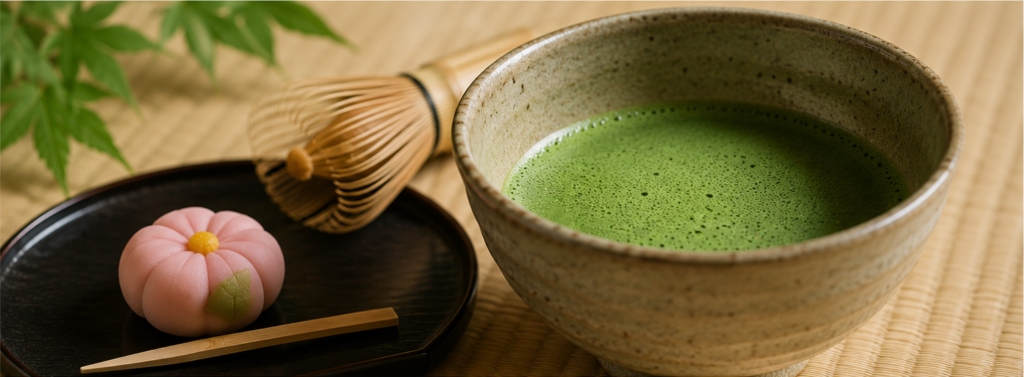
If you are visiting Kyoto, tasting authentic matcha should be on your list of things to experience.
With its vibrant green color, rich aroma, subtle bitterness, and distinctive umami flavor, matcha has become popular around the world.
Today, you can find matcha lattes, matcha ice cream, matcha cakes, chocolates, and countless other matcha-flavored treats in many countries.
But traditional Japanese matcha culture goes much deeper than that.
Place matcha powder into a tea bowl.
Add hot water.
Whisk it carefully with a bamboo chasen.
Enjoy a seasonal Japanese sweet.
Then slowly appreciate a freshly prepared bowl of matcha.
In Kyoto, you can experience matcha not simply as a flavor, but as part of a centuries-old Japanese tradition.
In this guide, we explain what matcha is, how it differs from regular green tea, why it is traditionally served with wagashi, and how to experience authentic matcha culture during your visit to Kyoto.
What Is Matcha?
Matcha is a type of Japanese green tea made from finely ground tea leaves.
Unlike many other types of Japanese tea, matcha is not prepared by simply steeping tea leaves in hot water.
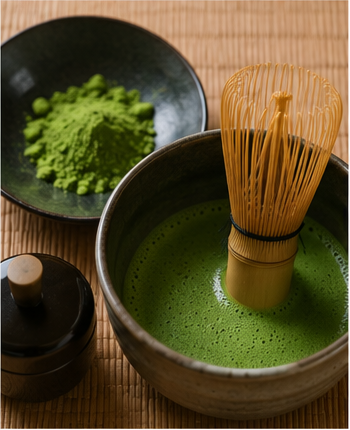
Instead, fine matcha powder is placed directly into a tea bowl, hot water is added, and the tea is whisked using a traditional bamboo whisk called a chasen.
The result is a vibrant green tea with a rich aroma, distinctive flavor, pleasant bitterness, and deep umami.
Many international visitors first discover matcha through matcha lattes or matcha-flavored desserts.
In Japan, however, matcha has a much longer history.
It is especially important in the tradition of the Japanese tea ceremony, where the tea itself is only one part of the experience.
The tea bowl.
The bamboo whisk.
The careful movements used to prepare the tea.
The atmosphere of the tea room.
The seasonal wagashi served alongside the tea.
Traditional matcha culture is about appreciating the entire experience rather than simply drinking a cup of tea.
What Is the Difference Between Matcha and Green Tea?
Matcha and regular Japanese green tea come from the same tea plant, but they are prepared and consumed differently.
With teas such as sencha, tea leaves are steeped in hot water. The leaves are then removed, and you drink the resulting infusion.
Matcha is different.
The tea leaves are processed into an extremely fine powder, which is whisked directly into water.
This also creates a very different flavor experience.
Matcha typically has a more concentrated taste, combining bitterness with sweetness, aroma, and umami.
High-quality matcha is not simply “bitter.”
It can have a surprisingly complex and smooth flavor.
If your only experience with matcha has been a sweetened matcha latte, drinking traditional matcha in Kyoto may taste quite different.
Why Is Kyoto Famous for Matcha?
Kyoto has a deep historical connection with Japanese tea culture.
In particular, Uji, located in southern Kyoto Prefecture, is one of Japan’s most famous tea-producing regions.
Tea cultivation has a long history in the Kyoto area, while the development of Japanese tea culture became closely connected with temples, Zen Buddhism, and eventually the Japanese tea ceremony.
That tradition continues today.
While exploring Kyoto, you will find:
Traditional Japanese tea shops.
Matcha cafés.
Wagashi confectionery shops.
Historic tea rooms.
Matcha desserts.
Japanese tea ceremony experiences.
This combination of history, culture, and high-quality tea makes Kyoto one of the best destinations for travelers who want to experience authentic Japanese matcha.
Matcha in Kyoto Is About More Than Desserts
Walk around Kyoto and you will quickly discover how popular matcha has become.
You can find almost every type of matcha dessert imaginable.
Matcha ice cream.
Matcha parfaits.
Matcha cakes.
Matcha lattes.
Matcha chocolates.
Trying these foods can certainly be a fun part of visiting Kyoto.
But if you want to understand the cultural significance of matcha in Japan, consider going beyond cafés and desserts.
Try matcha as part of a traditional Japanese tea ceremony.
During tea ceremony, the experience begins before you even drink the tea.
You enter the tea room.
Observe the utensils and surroundings.
Watch the host carefully prepare the tea.
Enjoy Japanese wagashi.
Then receive and drink your bowl of matcha.
Every part of the experience contributes to the meaning of Japanese tea culture.
What Is Wagashi?
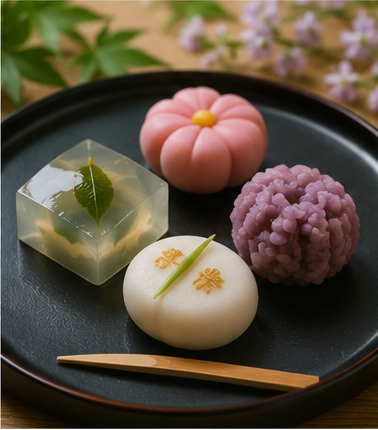
Traditional matcha is often served with wagashi, Japanese sweets that have developed alongside the country’s tea culture.
Wagashi can be made using ingredients such as sweet red bean paste, rice flour, agar, and sugar.
But their appeal goes beyond flavor.
Traditional wagashi are often beautifully designed to represent Japan’s seasons and natural scenery.
Flowers.
Leaves.
Flowing water.
Autumn colors.
Snow.
A small piece of wagashi can represent an entire season through its shape, color, and ingredients.
For this reason, wagashi are sometimes described as edible works of art.
When you experience tea ceremony in Kyoto, take a moment to appreciate the appearance of the wagashi before eating it.
Why Is Wagashi Eaten Before Matcha?
During a traditional tea ceremony, wagashi is generally eaten before drinking matcha.
There is a practical reason for this.
The sweetness of wagashi complements the characteristic bitterness and umami of matcha.
After tasting something sweet, the complex flavors of the tea can become more noticeable.
Sweet wagashi followed by rich matcha creates a distinctive balance.
This is one of the classic combinations in Japanese tea culture.
Even if you are worried that traditional matcha might be too bitter, you may find it much more enjoyable when paired with wagashi.
Rather than judging the tea alone, experience the two together.
Experience the Four Seasons Through Kyoto Wagashi
Japan has a strong cultural appreciation for the changing seasons.
This can be seen clearly in both tea ceremony and wagashi.
In spring, you might encounter pink sweets inspired by cherry blossoms.
During summer, wagashi may use transparent textures or designs that suggest cool water.
Autumn brings colors and shapes inspired by maple leaves, chestnuts, and the changing landscape.
Winter sweets may represent snow, New Year traditions, or other seasonal themes.
Because wagashi changes throughout the year, visiting Kyoto during different seasons can result in completely different experiences.
Enjoying matcha and wagashi is therefore not only about tasting Japanese food.
It can also be a way to experience the current season in Japan.
3 Ways to Enjoy Matcha in Kyoto
There are many places to enjoy matcha in Kyoto.
The best option depends on what you want from your experience.
1. Visit a Matcha Café
If you are looking for an easy introduction to matcha, visiting a café is a great option.
Matcha lattes, parfaits, ice cream, and other sweets are widely available.
A café is also a convenient place to take a break while sightseeing around Kyoto.
2. Visit a Japanese Tea Shop
If you are more interested in the flavor of the tea itself, consider visiting a traditional Japanese tea shop.
You may be able to explore different types and grades of Japanese tea and discover how flavor changes depending on quality, origin, and preparation.
3. Experience a Japanese Tea Ceremony
If you want to understand matcha as part of traditional Japanese culture, a tea ceremony offers a much deeper experience.
Rather than simply receiving a finished bowl of matcha, you can learn about the history and philosophy behind tea ceremony.
You can watch how the tea is prepared.
Enjoy wagashi.
Learn about traditional utensils.
And depending on the experience, you may even have the opportunity to whisk your own matcha.
Instead of simply remembering that you “drank matcha in Kyoto,” you can return home having experienced Japanese tea culture yourself.
Try Making Matcha Yourself
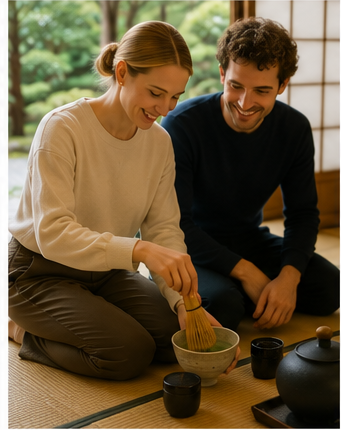
One of the best ways to understand matcha is to prepare it yourself.
The most recognizable tool used for traditional matcha preparation is the chasen.
A chasen is a delicate whisk traditionally made from bamboo.
It is used to combine the matcha powder and hot water inside the tea bowl.
The basic process may look simple:
Place matcha into the bowl.
Add hot water.
Whisk the tea with the chasen.
But trying it yourself is very different from simply watching someone else prepare it.
You do not need previous tea ceremony experience.
Beginner-friendly experiences can teach you the basic technique, allowing you to prepare and enjoy your own bowl of matcha.
It can become one of the most memorable hands-on experiences of your trip to Kyoto.
Is Traditional Matcha Too Bitter for Beginners?
Not necessarily.
Traditional matcha does have a distinctive bitterness, especially when compared with sweetened matcha drinks.
However, high-quality matcha also contains rich umami, aroma, and subtle sweetness.
It should not be thought of simply as a bitter drink.
Tea ceremony also traditionally pairs matcha with sweet wagashi, creating a pleasant contrast between sweetness and bitterness.
When trying authentic matcha for the first time, pay attention to more than flavor.
Notice the aroma.
Look at the vivid green color.
Feel the tea bowl in your hands.
Taste the wagashi.
Observe the atmosphere of the tea room.
Traditional Japanese tea culture is designed to be experienced with all of your senses.
Experience Matcha Culture in Gion, Kyoto
If you want to experience traditional matcha in Kyoto, Gion is an especially memorable place to do it.
Gion is one of Kyoto’s most historic districts and remains closely associated with traditional Japanese culture.
You can walk along historic streets.
Visit Kennin-ji Temple.
Explore Yasaka Shrine.
Discover Kyoto’s maiko and geiko culture.
And step inside a traditional tea room to experience matcha.
Many of these experiences can be combined within the same area.
Rather than treating matcha as simply another Kyoto food to try, experiencing tea ceremony among the historic surroundings of Gion can give the tea a completely different context.
Experience Matcha and Wagashi at THE TEA CEREMONY GION Orizuruya
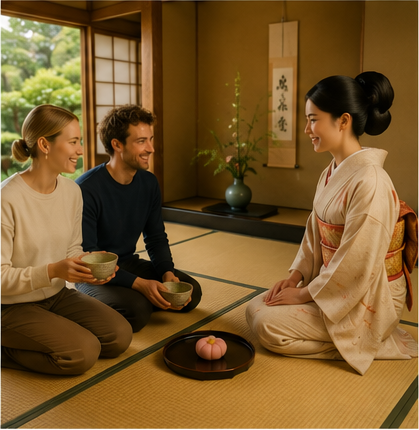
Located in historic Gion, THE TEA CEREMONY GION Orizuruya offers visitors an opportunity to discover matcha through traditional Japanese tea ceremony.
During the experience, guests can learn about tea ceremony while watching the careful movements involved in preparing a bowl of matcha.
But you do not have to simply watch.
Guests can also use a traditional bamboo chasen and experience preparing matcha themselves.
Whisking your own bowl and then tasting the tea you prepared makes Japanese tea culture feel much more personal and accessible.
The experience also includes traditional Japanese sweets from long-established Kyoto confectioners.
The rich bitterness and umami of matcha.
The sweetness of wagashi.
The beautiful seasonal presentation.
Together, these elements allow you to experience Japanese tea culture with all five senses.
Orizuruya is conveniently located approximately a 4-minute walk from Gion-Shijo Station and a 7-minute walk from Kyoto-Kawaramachi Station, making it easy to include in a day of sightseeing around Gion.
Frequently Asked Questions About Matcha in Kyoto
Is traditional matcha bitter?
Matcha has a characteristic bitterness, but high-quality matcha also contains umami, aroma, and subtle sweetness.
During tea ceremony, it is commonly paired with sweet wagashi, which creates a balanced flavor experience.
Is matcha latte the same as tea ceremony matcha?
The matcha powder may be similar, but the way it is prepared and enjoyed is very different.
A matcha latte typically combines matcha with milk and may include sweetener.
Traditional tea ceremony matcha is whisked with hot water using a bamboo chasen and enjoyed without milk.
Where can I drink matcha in Kyoto?
Kyoto has matcha cafés, Japanese tea shops, wagashi shops, and traditional tea ceremony experiences.
If you simply want to enjoy matcha sweets, a café is an easy option.
If you want to experience matcha as part of traditional Japanese culture, consider joining a tea ceremony.
Can beginners join a Japanese tea ceremony?
Yes.
Many tea ceremony experiences in Kyoto are designed for first-time visitors.
You do not need to learn the rules before attending.
Can international visitors experience tea ceremony in Kyoto?
Yes.
Kyoto welcomes travelers from around the world, and tea ceremony experiences are available for international visitors.
If you want to understand the cultural meaning behind the ceremony, look for an experience that provides explanations in a language you understand.
Discover the Real Culture Behind Matcha in Kyoto
Matcha has become a global phenomenon.
For many travelers, a matcha latte or matcha dessert may have been their first introduction to Japanese green tea.
But when you visit Kyoto, there is an opportunity to go one step further.
Enter a traditional tea room.
Admire a seasonal wagashi.
Pick up a bamboo chasen.
Whisk your own matcha.
And slowly enjoy the bowl you prepared.
These simple actions reveal a side of matcha that cannot be experienced through a café drink alone.
If you are visiting Kyoto, take some time to discover not only the flavor of matcha, but also the history, aesthetics, hospitality, and traditions surrounding it.