

10 Best Japanese Cultural Experiences in Kyoto: Tea Ceremony, Maiko, Kimono & More
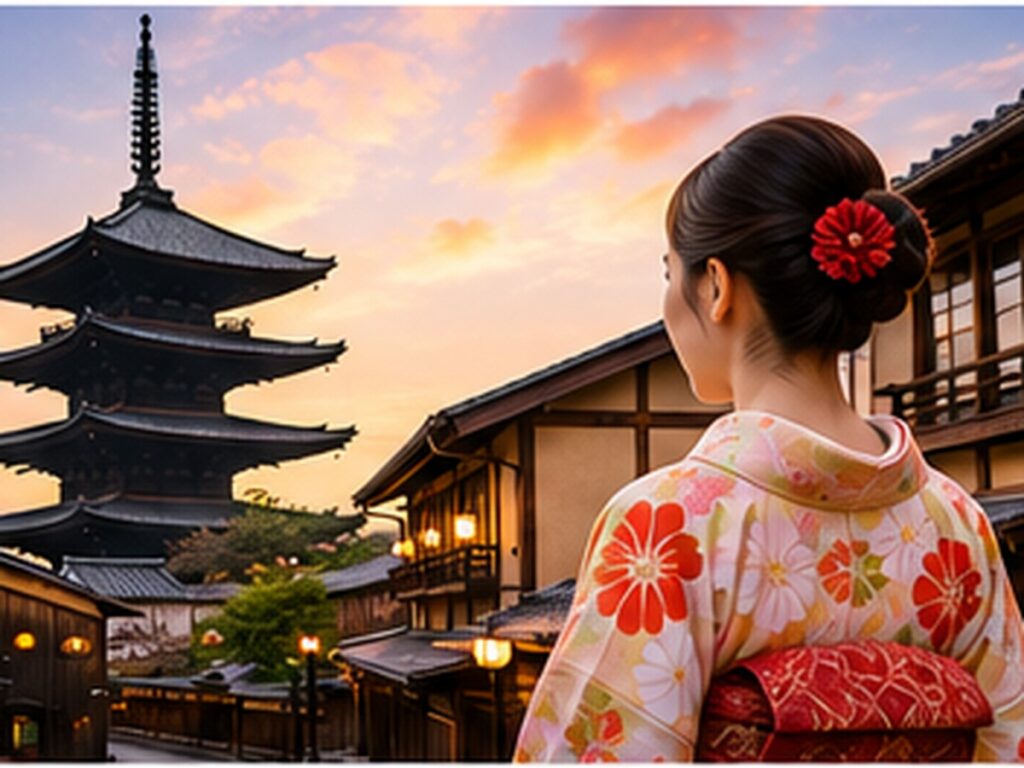
Kyoto is famous for its beautiful temples, shrines, gardens, and historic streets.
But some of the most memorable things to do in Kyoto are not simply things you see.
They are things you experience.
Wear a kimono and walk through the historic streets of Gion.
Whisk your own bowl of matcha.
Taste traditional Japanese wagashi.
Write kanji with a calligraphy brush.
Meet a real maiko and discover Kyoto’s living traditions.
For international travelers, these hands-on activities offer an opportunity to go beyond sightseeing and experience Japanese culture for yourself.
But with so many cultural activities available, you may be wondering:
What are the best Japanese cultural experiences in Kyoto?
What can you experience only in Kyoto?
Which activities are suitable for first-time visitors?
Can you experience traditional Japanese culture in just half a day?
In this guide, we introduce 10 of the best Japanese cultural experiences in Kyoto, from tea ceremony and maiko culture to kimono, calligraphy, Zen, traditional food, and crafts.
If you want your trip to Kyoto to be about more than taking photos of famous places, start here.
Why Is Kyoto One of the Best Places to Experience Japanese Culture?
Japan has many cities where visitors can discover traditional culture, including Tokyo, Osaka, Nara, and Kanazawa.
But Kyoto is particularly special.
Kyoto served as Japan’s imperial capital for more than 1,000 years and remains home to countless temples, shrines, traditional buildings, gardens, and cultural traditions.
More importantly, many of these traditions are not simply preserved as history.
They are still practiced today.
Tea ceremony.
Calligraphy.
Kimono.
Wagashi.
Maiko and geiko culture.
Traditional cuisine.
Zen.
Japanese craftsmanship.
In Kyoto, you can encounter these traditions throughout the city.
You might visit a Zen temple in the morning, walk through historic Gion in the afternoon, enter a tatami tea room to prepare matcha, and finish the day enjoying traditional Kyoto cuisine.
That combination of history and living culture makes Kyoto one of the best destinations in Japan for travelers looking for authentic cultural experiences.
1. Experience a Traditional Japanese Tea Ceremony
If you choose only one traditional Japanese cultural experience in Kyoto, tea ceremony is an excellent place to start.
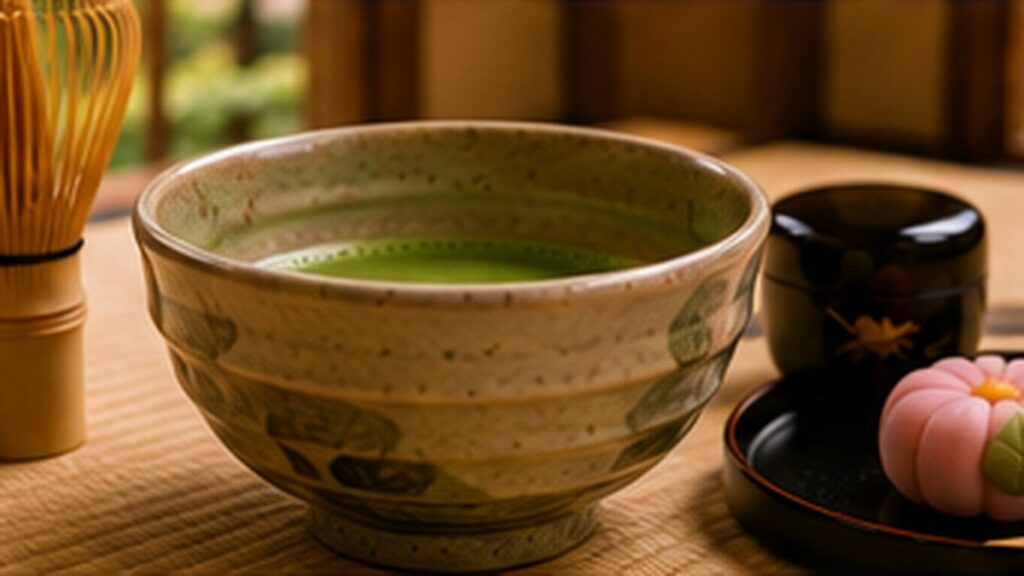
Known as chanoyu or sado, Japanese tea ceremony centers around the preparation and serving of matcha.
But it is about much more than drinking green tea.
The tea room.
The tea bowl.
The bamboo chasen.
The hanging scroll.
Seasonal flowers.
Wagashi.
The careful movements used to prepare the tea.
Every detail contributes to the experience.
At the heart of tea ceremony is Japanese hospitality and consideration for the guest.
Beginner-friendly tea ceremony experiences in Kyoto often allow visitors to learn about the history and meaning of the tradition, watch matcha being prepared, enjoy wagashi, and even whisk their own bowl of matcha.
Matcha may now be popular around the world, but experiencing it through tea ceremony reveals the deeper culture behind the drink.
Recommended for:
- First-time visitors to Japan
- Matcha lovers
- Travelers interested in Japanese hospitality
- Couples and families
- Anyone looking for an authentic Kyoto experience
2. Wear a Kimono and Explore Kyoto
One of the most popular cultural activities in Kyoto is renting a kimono.
There are many kimono rental shops throughout the city where visitors can choose a kimono and wear it while sightseeing.
Some of the most popular areas for exploring in kimono include:
Gion.
Higashiyama.
Yasaka Shrine.
The streets around Kiyomizu-dera.
Kyoto’s traditional architecture, stone-paved streets, temples, and shrines create a beautiful setting for wearing traditional Japanese clothing.
You can also combine kimono rental with another cultural experience.
For example:
Kimono + tea ceremony
Kimono + temple visit
Kimono + Japanese garden
Combining activities can turn a simple sightseeing day into a much more immersive cultural experience.
Just remember that kimono and traditional footwear can make walking slower than usual, so avoid planning an overly packed itinerary.
3. Meet a Real Maiko and Discover Gion Culture
Few cultural traditions are as closely associated with Kyoto as maiko and geiko culture.
Internationally, the word “geisha” is widely recognized. In Kyoto, however, fully trained professional entertainers are generally called geiko.
A maiko is an apprentice who trains in traditional arts and hospitality before becoming a geiko.
Their training can include:
Japanese dance.
Shamisen.
Singing.
Traditional etiquette.
Conversation.
Hospitality.
Maiko are famous for their colorful kimono, distinctive hairstyles, and white makeup, but their cultural importance goes far beyond their appearance.
If you walk through Gion, you may occasionally see a maiko or geiko traveling to an appointment.
However, there is no guarantee you will see one.
Visitors should also remember that maiko and geiko seen on the street are usually working. They should never be chased, blocked, touched, or photographed aggressively.
If meeting a real maiko is important to you, booking an official cultural experience is a much better option.
Depending on the program, you may be able to watch a traditional performance, speak with a maiko, take a photo together, or experience tea prepared by a maiko.
It offers a respectful and much deeper introduction to one of Kyoto’s most distinctive living traditions.
4. Try Japanese Calligraphy
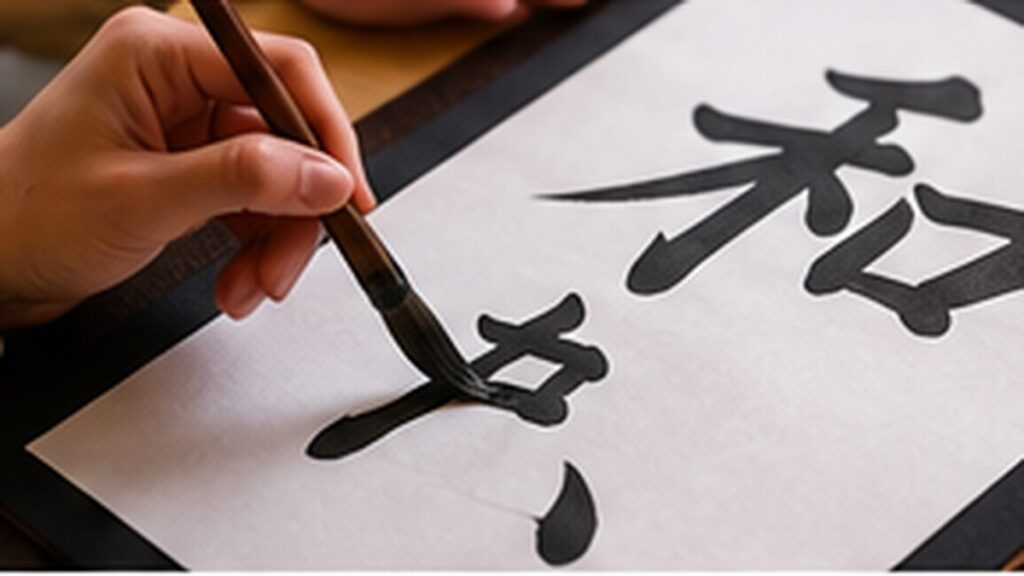
Another traditional Japanese cultural experience worth trying is shodo, or Japanese calligraphy.
Using a brush and ink, you create Japanese characters on paper.
But shodo is not simply about writing words correctly.
The movement of the brush.
The thickness of each line.
The amount of ink.
The balance between the characters.
All of these elements contribute to the finished piece.
You do not need to speak or read Japanese to enjoy calligraphy.
International visitors can choose a meaningful kanji character and learn how to write it.
Popular examples might include:
愛 — Love
夢 — Dream
心 — Heart / Spirit
和 — Harmony
Your finished calligraphy can also become a personal souvenir from Kyoto.
Calligraphy pairs particularly well with tea ceremony because both traditions emphasize concentration, deliberate movement, and appreciation of the present moment.
For travelers who want to experience several aspects of Japanese culture, a combined calligraphy and tea ceremony experience can be a great choice.
5. Taste Authentic Matcha and Wagashi
Matcha has become one of Japan’s most internationally recognized flavors.
Throughout Kyoto, you will find matcha lattes, parfaits, ice cream, cakes, chocolates, and many other desserts.
They are certainly worth trying.
But traditional Japanese matcha culture offers something different.
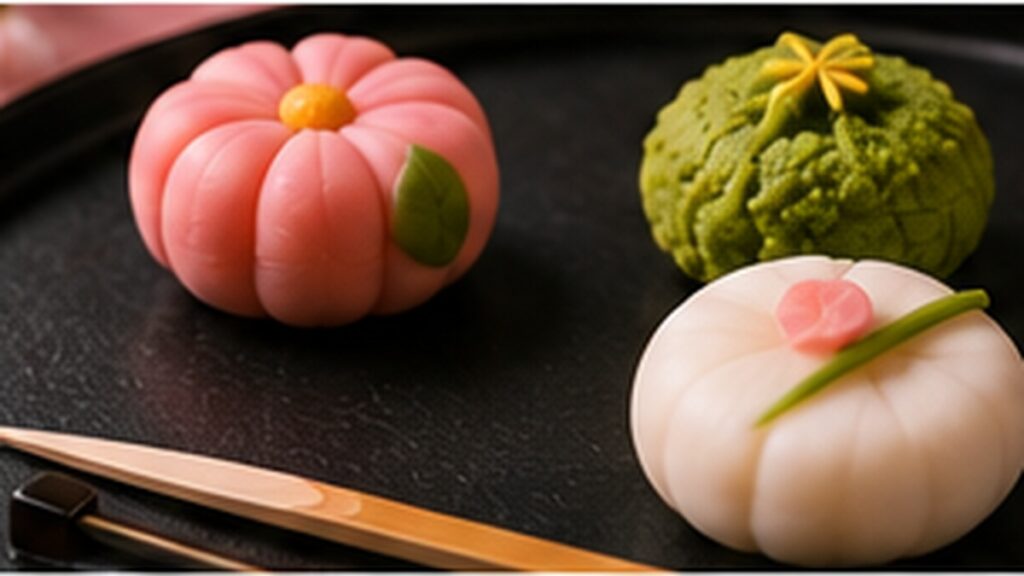
During tea ceremony, matcha is commonly enjoyed with wagashi, traditional Japanese sweets.
Wagashi are generally eaten before drinking matcha.
Their sweetness creates a beautiful contrast with the bitterness, aroma, and umami of the tea.
Wagashi are also closely connected with Japan’s changing seasons.
Spring may inspire cherry blossom designs.
Summer sweets may represent cool water.
Autumn brings maple leaves and warm seasonal colors.
Winter designs may evoke snow.
For travelers searching for authentic matcha in Kyoto, experiencing matcha together with wagashi and tea ceremony provides much more cultural context than simply ordering a matcha latte.
6. Visit a Zen Temple and Japanese Garden
Kyoto is home to many important Zen temples.
Visiting one can be more than another stop on your sightseeing itinerary.
Take some time to slow down.
Look at the garden.
Notice the tatami.
Observe the architecture.
Sit quietly for a few moments.
In Gion, Kennin-ji is particularly convenient and is known as Kyoto’s oldest Zen temple.
The atmosphere inside the temple can feel completely different from the busy streets surrounding it.
Zen also has a deep historical relationship with Japanese tea culture.
For this reason, combining:
Zen temple → Japanese tea ceremony
can be an interesting way to explore the connections between different aspects of Japanese culture.
7. Experience Japanese Shrine Culture
Kyoto is home to thousands of religious sites, including many Shinto shrines.
Instead of only photographing the buildings, take some time to understand how people actually interact with these sacred spaces.
Walk through a torii gate.
Purify your hands at the water basin.
Visit the main sanctuary.
Draw an omikuji fortune.
Look at traditional charms.
For Japanese people, shrines are not simply tourist attractions. They remain connected to religious traditions, festivals, family events, and everyday life.
If you are exploring Gion, Yasaka Shrine is particularly easy to include in your itinerary.
Combining a shrine visit with Gion sightseeing and tea ceremony allows you to encounter several different sides of Japanese culture within a relatively small area.
8. Discover Traditional Kyoto Cuisine
Culture is not only something you see or learn about.
It is also something you taste.
Kyoto has developed its own distinctive food traditions over centuries.
Depending on your interests, you might try:
Kyo-ryori — traditional Kyoto cuisine
Yudofu — tofu served in hot broth
Obanzai — traditional Kyoto home-style dishes
Shojin ryori — Buddhist vegetarian cuisine
Japanese pickles.
Wagashi.
Matcha.
Japanese cuisine often places great importance on seasonality, presentation, tableware, and balance.
In Kyoto especially, food can reflect the time of year through ingredients, colors, shapes, and serving dishes.
Rather than simply asking what the most famous Kyoto food is, consider learning why particular foods developed here and how they connect with the city’s history.
9. Try a Traditional Kyoto Craft
Kyoto remains home to many traditional crafts that have been passed down through generations.
Examples include:
Nishijin-ori textiles.
Kyo-yuzen dyeing.
Kiyomizu-yaki pottery.
Traditional folding fans.
Lacquerware.
Buying handmade products can be a wonderful way to support local craftsmanship.
But some workshops also allow visitors to participate in the creative process themselves.
Depending on the activity, you may be able to paint, decorate, shape, or create an item that you can take home.
Instead of buying a mass-produced souvenir, you return home with something connected to an experience you had in Kyoto.
10. Experience Kyoto’s Festivals and Seasonal Culture
Kyoto changes dramatically throughout the year.
Spring brings cherry blossoms.
Summer brings traditional festivals.
Autumn brings colorful maple leaves.
Winter offers quieter temples, occasional snow, and New Year traditions.
One of Kyoto’s most famous seasonal events is the Gion Matsuri, a festival with a history stretching back more than 1,000 years.
But seasonal culture is not limited to major festivals.
You can see Japan’s appreciation of the seasons in tea ceremony, wagashi, gardens, temples, cuisine, flowers, and decorations throughout the city.
When planning your trip, do not only ask:
“Where should I go in Kyoto?”
Also ask:
“What can I experience in Kyoto during this season?”
The answer may completely change your itinerary.
Which Japanese Cultural Experience Is Best for First-Time Visitors?
After seeing all these options, you may still be wondering which experience to choose.
For first-time visitors to Kyoto, one of the best combinations is:
Gion sightseeing + Japanese tea ceremony
There are several reasons.
Gion allows you to experience Kyoto’s historic architecture and living cultural traditions simply by exploring the neighborhood.
Nearby, you can visit places such as Kennin-ji and Yasaka Shrine.
Then, by stepping inside a tea room, you can experience several elements of Japanese culture at once:
Matcha.
Wagashi.
Traditional utensils.
Tatami.
Hospitality.
Japanese aesthetics.
You can also combine tea ceremony with kimono, calligraphy, or maiko culture if you have more time.
For travelers who want an accessible introduction to traditional Japan, it is difficult to fit more culture into one area.
Half-Day Gion Cultural Experience Itinerary
You do not need several days to experience traditional Japanese culture.
If your time in Kyoto is limited, Gion makes it possible to combine several experiences in half a day.
1:00 PM — Visit Kennin-ji Temple
Begin at one of Kyoto’s important Zen temples.
Enjoy the architecture, gardens, and quiet atmosphere.
2:00 PM — Explore Gion
Walk through the historic streets and discover traditional machiya architecture.
Remember that Gion is also a real neighborhood where people live and work, so respect private property and local photography rules.
3:00 PM — Experience Japanese Tea Ceremony
Enter a tea room and discover traditional Japanese tea culture.
Enjoy matcha and wagashi, learn about the ceremony, and try using a bamboo chasen to prepare your own tea.
5:00 PM — Visit Yasaka Shrine
After tea ceremony, continue toward one of Kyoto’s best-known shrines.
6:00 PM — Kamo River and Pontocho
Walk back toward Gion-Shijo and spend some time beside the Kamo River.
Then cross toward Pontocho or Kawaramachi for dinner.
In just half a day, you can experience:
Zen → Historic Kyoto → Tea Ceremony → Shrine Culture → Kyoto Cuisine
This makes Gion one of the most convenient areas for travelers who want to experience several sides of Japanese culture.
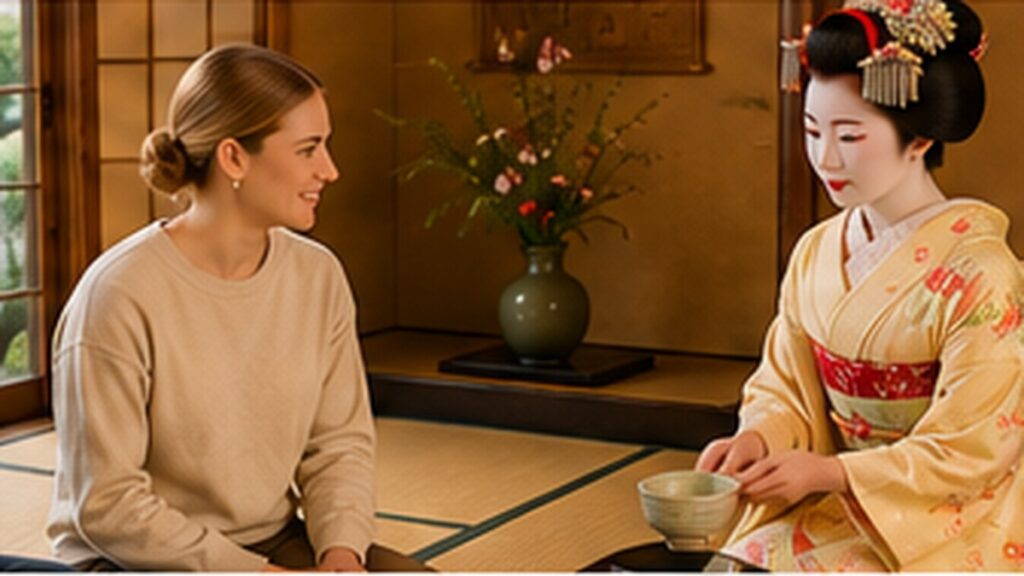
Experience Japanese Culture at THE TEA CEREMONY GION Orizuruya
Located in historic Gion, THE TEA CEREMONY GION Orizuruya offers several ways for international visitors to experience traditional Japanese culture.
Tea Ceremony Experience
Learn about Japanese tea culture while watching traditional matcha preparation.
Guests can enjoy matcha with Japanese wagashi and also use a bamboo chasen to whisk their own tea.
The standard Tea Ceremony Experience lasts approximately 90 minutes and costs ¥7,700 per person.
It is a good choice for first-time visitors who want a hands-on introduction to traditional Japanese culture.
Calligraphy & Tea Ceremony Experience
For travelers who want to experience more than one tradition, Orizuruya also offers a program combining Japanese calligraphy and tea ceremony.
You can experience Japanese written art with brush and ink before exploring the traditions surrounding matcha.
The experience lasts approximately 120 minutes.
Maiko Tea Ceremony Experience
If you are looking for something particularly connected with Gion, consider a Maiko Tea Ceremony Experience.
This offers an opportunity to experience tea preparation by a real maiko while discovering two important parts of Kyoto’s traditional culture at the same time.
Instead of searching the streets hoping to briefly see a maiko, you can experience the culture in a respectful and relaxed environment.
Orizuruya is located approximately:
4 minutes on foot from Gion-Shijo Station
and
7 minutes on foot from Kyoto-Kawaramachi Station.
Its location makes it easy to combine a cultural experience with sightseeing around Gion, Kennin-ji, Yasaka Shrine, Higashiyama, and the Kamo River.
Frequently Asked Questions About Japanese Cultural Experiences in Kyoto
Can international visitors join traditional Japanese cultural experiences?
Yes.
Kyoto offers many cultural activities designed for international travelers.
If you do not speak Japanese, check whether explanations are available in English or another language you understand.
Do I need to know anything about Japanese culture before joining?
No.
Beginner-friendly experiences are designed for people with no previous knowledge.
Your host or instructor can explain the basic history, meaning, and etiquette during the activity.
What is the best cultural experience in Kyoto?
It depends on your interests.
For first-time visitors, tea ceremony is an excellent option because it brings together several elements of Japanese culture, including matcha, wagashi, traditional spaces, utensils, aesthetics, and hospitality.
Can I experience Japanese culture in Kyoto in half a day?
Yes.
Gion is particularly convenient because temples, shrines, historic streets, tea ceremony experiences, restaurants, and other attractions are located relatively close together.
Are cultural experiences suitable for children?
It depends on the individual activity.
If you are traveling as a family, check the minimum age, duration, and participation requirements before booking.
Should I book cultural experiences in advance?
It is generally a good idea.
Popular activities and small-group experiences may sell out, especially during busy travel seasons.
If your Kyoto itinerary is already fixed, booking ahead gives you a better chance of getting your preferred date and time.
Go Beyond Sightseeing and Experience Kyoto for Yourself
Kyoto has extraordinary things to see.
Ancient temples.
Shinto shrines.
Japanese gardens.
Historic streets.
Traditional architecture.
But seeing Kyoto is only one way to experience the city.
Put on a kimono.
Pick up a calligraphy brush.
Taste seasonal wagashi.
Enter a tatami tea room.
Whisk your own matcha.
Discover the traditions of Kyoto’s maiko.
These experiences allow you to move beyond observing Japanese culture from the outside.
You become part of it, even if only for an afternoon.
When planning your trip to Kyoto, do not only ask yourself:
“What should I see?”
Ask:
“What do I want to experience?”
That may be the difference between a place you visited and a journey you remember.
Experience traditional Japanese culture at THE TEA CEREMONY GION Orizuruya in Kyoto’s historic Gion district.