

8 Best Things to Do in Kyoto in Winter: Traditional Cultural Experiences & Travel Guide
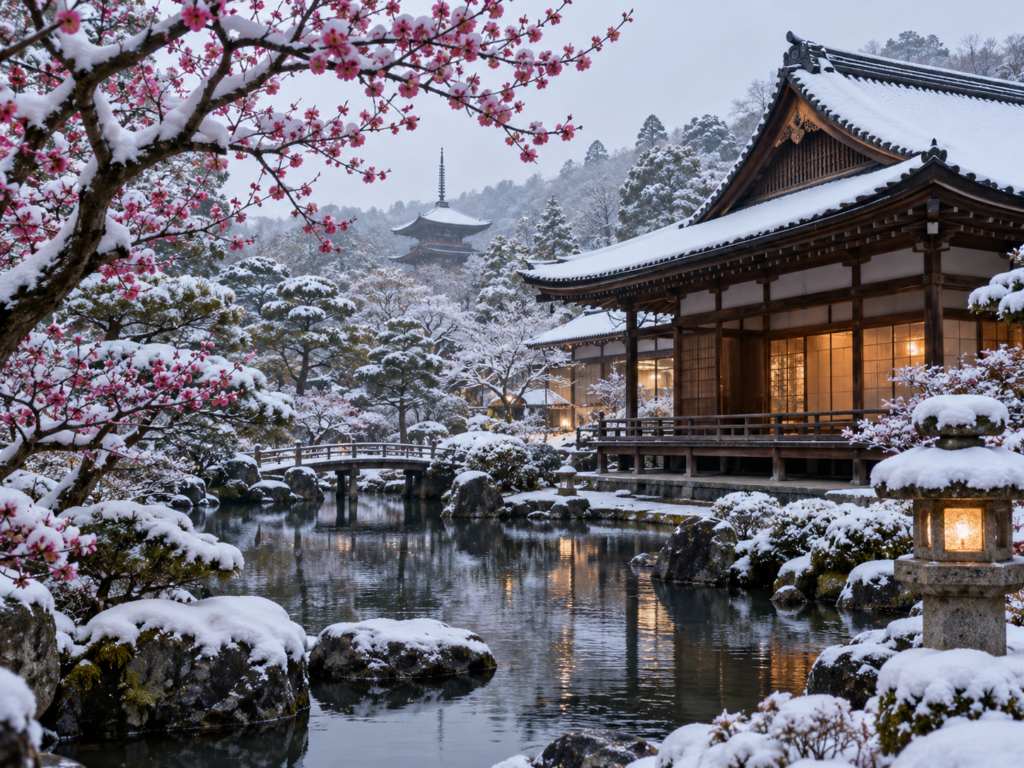
Planning a winter trip to Kyoto, Japan?
While Kyoto is famous for its beautiful cherry blossoms in spring and colorful maple leaves in autumn, winter offers a completely different experience.
The crisp winter air.
Peaceful Japanese gardens.
Historic temples surrounded by quiet streets.
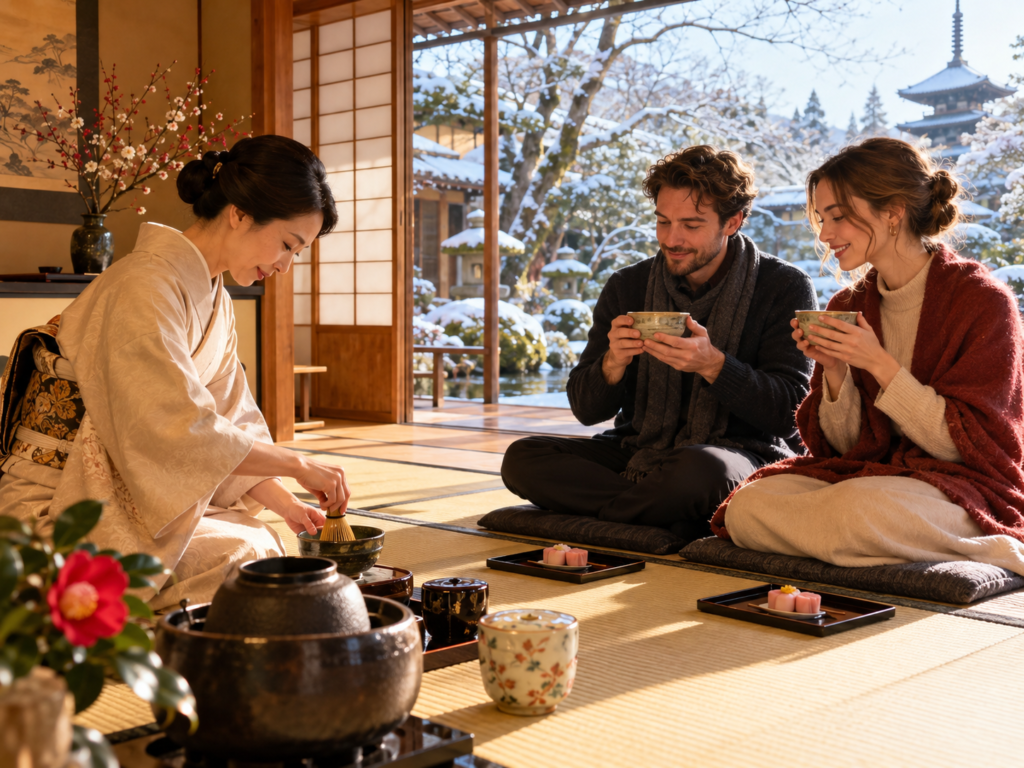
A warm bowl of matcha served with seasonal Japanese sweets.
And traditional cultural experiences that allow you to discover Japan beyond its famous sightseeing spots.
Winter in Kyoto is a wonderful opportunity to slow down and explore the city’s rich cultural heritage.
Instead of spending your entire day walking between temples in cold weather, why not experience traditional Japanese arts such as tea ceremony, calligraphy, or wagashi making?
For international travelers, these activities offer a deeper understanding of Japanese culture while providing a comfortable break from winter sightseeing.
But if you’re visiting Kyoto during the colder months, you might have a few questions.
What are the best things to do in Kyoto in winter?
Does Kyoto get snow in December, January, or February?
Are there indoor activities for cold days?
Can international visitors participate in traditional Japanese cultural experiences?
And what should you wear when exploring Kyoto in winter?
In this guide, we’ll introduce eight of the best Kyoto winter cultural experiences, along with seasonal Japanese traditions, practical clothing tips, and a relaxing half-day itinerary in Gion.
Whether you’re visiting Japan in December, January, or February, there’s plenty to discover in Kyoto during winter.
Why Visit Kyoto in Winter?
Kyoto is beautiful throughout the year, but winter has its own distinctive atmosphere.
Without the famous cherry blossoms or autumn foliage, visitors can appreciate different aspects of the city’s historic architecture, traditional gardens, and cultural heritage.
Winter is also a wonderful time to explore Japanese seasonal traditions.
How Cold Is Kyoto in Winter?
Kyoto’s winter generally lasts from December through February.
Because Kyoto is located in a basin surrounded by mountains, temperatures can become quite cold, particularly in the early morning and evening.
According to Kyoto’s official tourism information, average temperatures are approximately:
| Month | Average Temperature |
| December | 7°C / 45°F |
| January | 5°C / 41°F |
| February | 5°C / 41°F |
These are seasonal averages rather than daily forecasts, so actual conditions may be warmer or colder.
If you’re visiting Kyoto in winter, warm clothing is essential.
Does It Snow in Kyoto?
Yes, snow occasionally falls in Kyoto during winter.
However, significant snowfall and snow accumulation are relatively uncommon in central Kyoto.
You may be lucky enough to see traditional temples covered in snow, but it’s important not to plan your entire trip around expecting snowy scenery.
Fortunately, Kyoto has plenty to offer even without snow.
Why Cultural Experiences Are Perfect for Winter
Winter sightseeing can become tiring when you spend hours outdoors.
Traditional Japanese cultural experiences provide an opportunity to take a break from the cold while discovering Kyoto’s heritage.
For example, you can:
- Explore Gion’s traditional streets in the morning
- Enjoy a warm Japanese lunch
- Participate in a Japanese tea ceremony
- Learn traditional calligraphy
- Create handmade souvenirs
- Discover Kyoto’s seasonal food culture
By combining outdoor sightseeing with indoor activities, you can enjoy Kyoto without spending the entire day in cold weather.
8 Best Kyoto Winter Cultural Experiences
Not sure what to do during your winter trip?
Here are eight memorable cultural activities to consider.
| Experience | What You’ll Do | Why It’s Special in Winter |
| 1. Japanese tea ceremony | Prepare matcha and enjoy wagashi | Discover seasonal tea traditions |
| 2. Winter wagashi making | Create Japanese sweets inspired by winter | Experience Japan’s seasonal aesthetics |
| 3. Japanese calligraphy | Write kanji using traditional brush and ink | Learn about Kakizome, Japan’s New Year calligraphy |
| 4. Kimono experience | Explore Kyoto wearing traditional clothing | Enjoy Japanese winter fashion |
| 5. Maiko cultural experience | Discover Kyoto’s traditional performing arts | Learn about seasonal customs in Gion |
| 6. Traditional crafts | Try pottery, dyeing, or incense making | Enjoy creative indoor activities |
| 7. Winter temple traditions | Discover Hatsumode, Setsubun, and special openings | Explore Japanese winter customs |
| 8. Kyoto winter cuisine | Enjoy yudofu and seasonal Japanese dishes | Discover Kyoto’s warming food culture |
Availability, duration, prices, and participation requirements vary depending on the venue.
Let’s explore each experience in detail.
1. Japanese Tea Ceremony: Experience Matcha Culture During Kyoto’s Winter
One of the most memorable traditional Japanese activities in Kyoto is participating in a Japanese tea ceremony.
Known as chanoyu or sado, tea ceremony is a centuries-old cultural practice centered on preparing and serving matcha.
However, it is much more than simply drinking green tea.
Japanese tea ceremony brings together hospitality, seasonal aesthetics, traditional architecture, carefully selected utensils, and meaningful movements.
For international visitors, it offers an opportunity to understand Japanese culture through direct experience.
What Makes a Winter Tea Ceremony Special?
Traditional Japanese tea culture changes with the seasons.
In many traditional tea practices, winter is associated with the use of a sunken hearth called a ro.
The hearth is used to heat water and forms part of the seasonal arrangement of the tea room.
The utensils, decorations, and sweets may also reflect the colder months.
However, the exact arrangements depend on the tea tradition and venue.
Not every tourist-oriented tea ceremony uses a traditional sunken hearth.
Learning how seasonality influences tea culture can make a winter visit particularly interesting.
What Happens During a Japanese Tea Ceremony?
A beginner-friendly tea ceremony may include:
- Learning about Japanese tea ceremony history
- Discovering the meaning behind traditional etiquette
- Watching the host demonstrate tea preparation
- Learning about tea bowls and other utensils
- Enjoying seasonal Japanese sweets
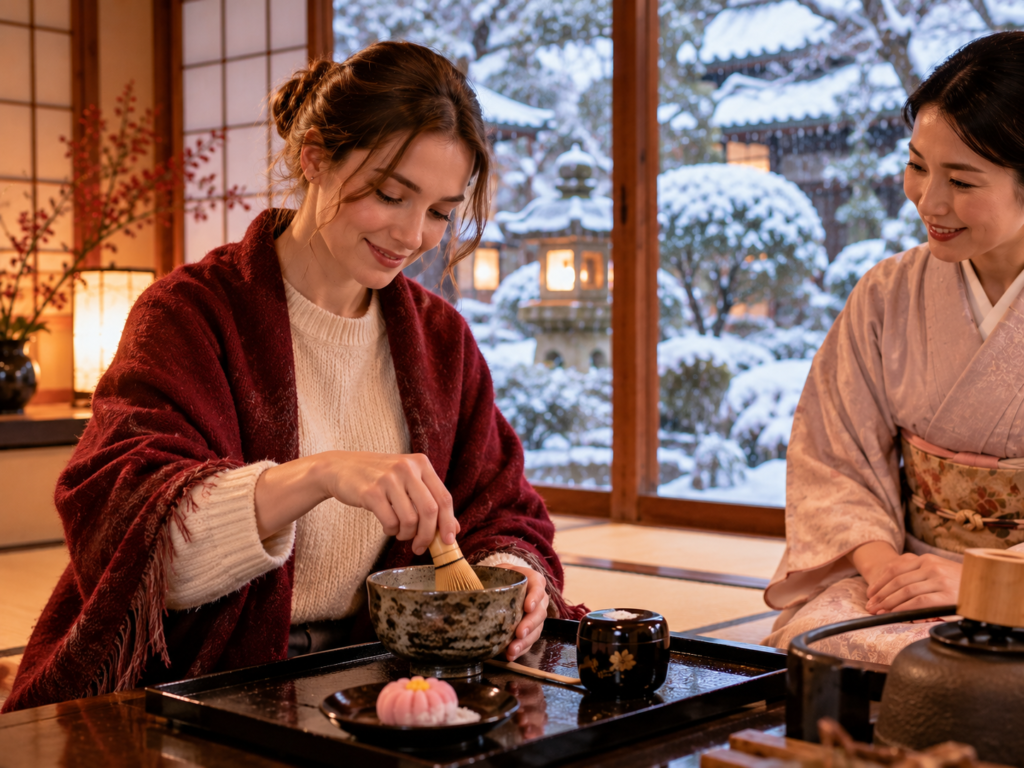
- Preparing your own matcha with a bamboo whisk
The bamboo whisk, called a chasen, is used to mix powdered matcha with hot water.
Preparing your own bowl of tea can be one of the most enjoyable parts of the experience.
Why Is Tea Ceremony a Good Winter Activity?
A traditional tea room offers a peaceful environment where you can appreciate Japanese culture without rushing between tourist attractions.
The aroma of freshly prepared matcha.
The texture of handcrafted ceramics.
The beauty of seasonal sweets.
The careful movements of the host.
These details create an experience that feels different from ordinary sightseeing.
Tea rooms in traditional buildings can still be cool in winter, so comfortable, layered clothing is recommended.
Can Beginners and International Travelers Join?
Yes.
Many Kyoto tea ceremony programs welcome beginners and international visitors.
You don’t need previous experience with matcha preparation or Japanese etiquette.
However, language availability varies, so confirm whether your preferred program offers English-language explanations.
Best for: First-time visitors, couples, solo travelers, and travelers interested in traditional Japanese culture.
Experience a Traditional Japanese Tea Ceremony in Gion, Kyoto
2. Winter Wagashi Making: Create Japanese Sweets Inspired by the Season
Japanese sweets, known as wagashi, are an important part of Japan’s traditional food culture.
Kyoto has a long history of confectionery craftsmanship, particularly sweets associated with Japanese tea ceremony.
Many traditional wagashi reflect seasonal flowers, plants, landscapes, and celebrations.
Winter provides some especially beautiful inspiration.
What Do Japanese Winter Sweets Look Like?
Traditional wagashi may feature designs inspired by:
Snow
White colors and delicate patterns can represent snowy winter landscapes.
Camellia Flowers
Camellias bloom during the colder months and are often represented in Japanese seasonal art.
Plum Blossoms
Plum blossoms are associated with late winter and the beginning of spring.
Pine, Bamboo, and Plum
Known as Shochikubai, these plants are traditional symbols of good fortune and celebration, especially around the New Year.
For international visitors, the idea of expressing the seasons through sweets can be a fascinating introduction to Japanese aesthetics.
What Happens During a Wagashi-Making Workshop?
Depending on the workshop, you may learn to shape traditional sweets using ingredients such as sweet bean paste.
Some activities focus on nerikiri, a delicate Japanese confection that can be shaped into flowers and seasonal motifs.
You might choose colors, shape petals, and use specialized tools to create patterns.
Why Try Wagashi Making in Winter?
Wagashi making is a creative indoor activity that allows you to discover Japanese food culture through your own hands.
You can compare your finished sweets with those made by other participants.
Some programs also allow you to enjoy your handmade creations afterward.
Combine Wagashi with Matcha
Traditional wagashi are closely connected to Japanese tea culture.
The sweetness of wagashi complements the distinctive bitterness and umami of matcha.
Enjoying the two together is an excellent way to discover Japanese hospitality.
Best for: Food lovers, families, couples, and travelers who enjoy creative workshops.
Seasonal designs vary by workshop. Confirm whether winter-themed sweets are included if you have a particular design in mind.
3. Japanese Calligraphy: Discover the New Year Tradition of Kakizome
Japanese calligraphy, known as shodo, is the traditional art of writing characters using brush and ink.
For many international visitors, Japanese kanji are especially fascinating because each character carries meaning.
Winter is an interesting season to explore Japanese calligraphy because of a traditional New Year custom called Kakizome.
What Is Kakizome?
Kakizome literally refers to the first calligraphy writing of the year.
Traditionally associated with January 2, Kakizome is a Japanese custom in which people write meaningful words, aspirations, or goals for the coming year.
Today, Kakizome activities are also commonly held in schools and community events at different times during the New Year period.
For visitors traveling to Japan around New Year, learning about Kakizome provides an introduction to Japanese seasonal traditions.
Meaningful Japanese Kanji for Winter Travelers
Here are some characters you might enjoy writing:
福 — Good Fortune
A symbol of luck and happiness.
夢 — Dream
Represents dreams, hopes, and ambitions.
和 — Harmony
A character associated with peace and harmony.
新 — New
Represents a new beginning.
旅 — Journey
A meaningful character for travelers exploring Japan.
What Happens During a Calligraphy Workshop?
A beginner-friendly workshop may introduce you to traditional brushes, black ink, Japanese paper, and basic brush techniques.
You can practice writing your chosen characters before creating a finished piece.
Even if you’re writing the same character as another participant, your final artwork will have its own unique appearance.
Why Is Calligraphy Good in Winter?
Calligraphy is an indoor activity that allows you to focus on creating something.
It can be particularly enjoyable after a morning spent sightseeing outdoors.
Depending on the workshop, you may also be able to take your artwork home.
This creates a personal souvenir from your winter trip to Japan.
Best for: Solo travelers, creative couples, art lovers, and visitors interested in Japanese language and traditions.
Not every calligraphy workshop specifically teaches Kakizome. Check the program description if you’re interested in a New Year-themed experience.
4. Kimono Experience: Explore Kyoto in Traditional Winter Clothing
Wearing kimono is one of Kyoto’s most recognizable cultural experiences.
Kyoto’s historic neighborhoods, temples, shrines, and traditional wooden architecture provide beautiful surroundings for visitors wearing Japanese clothing.
Gion and Higashiyama are particularly popular for kimono sightseeing.
Can You Wear Kimono in Kyoto During Winter?
Yes.
Kimono rental is possible during winter, although cold-weather preparation is important.
Traditional clothing can be less comfortable when temperatures are low, especially during long walks.
Depending on the rental shop, winter accessories and appropriate underlayers may be available.
What Should You Wear Under a Kimono in Winter?
Possible cold-weather options include:
- Suitable thermal underlayers
- Warm socks
- Traditional shawls
- Haori jackets or other appropriate outerwear
- Additional accessories recommended by the rental shop
However, not all thermal clothing can be worn comfortably or discreetly under every kimono.
Ask the rental provider about suitable clothing before your appointment.
Romantic Winter Kimono Experiences in Kyoto
For couples, winter kimono rental can be combined with several memorable activities.
Walk through historic Gion.
Visit Yasaka Shrine.
Explore traditional streets in Higashiyama.
Enjoy lunch in a Japanese restaurant.
Participate in a traditional tea ceremony.
This combination allows you to experience traditional clothing and Japanese cultural practices during the same day.
Important Winter Kimono Tips
Avoid scheduling excessively long outdoor walks.
Wear suitable footwear, especially if the ground is wet or icy.
Allow extra time for dressing and returning your kimono.
And if snow or rain is forecast, check the rental shop’s weather policies.
Best for: Couples, honeymooners, photography enthusiasts, and first-time visitors to Kyoto.
5. Maiko Cultural Experience: Discover Kyoto’s Traditional Arts in Winter
Kyoto is famous for the traditions of maiko and geiko.
A maiko is an apprentice geiko, a professional entertainer in Kyoto’s traditional entertainment districts.
International visitors may be familiar with the term geisha.
In Kyoto, geiko is the local term commonly used for a fully trained professional, while maiko refers to an apprentice.
Maiko study traditional performing arts, including Japanese dance and music, as well as etiquette and hospitality.
Their colorful kimono, distinctive hairstyles, and beautiful hair ornaments are recognized around the world.
What Makes Maiko Culture Interesting in Winter?
Traditional Japanese culture places importance on seasonality.
The floral hair ornaments worn by maiko, called hanakanzashi, feature motifs that change throughout the year.
During winter, these designs may reflect seasonal flowers and New Year traditions.
Learning about these details can offer visitors a deeper understanding of Kyoto’s cultural heritage.
Can Tourists Meet a Real Maiko?
Visitors sometimes encounter maiko or geiko walking through Gion.
However, seeing them on the street is never guaranteed.
They are professionals going about their work, and their privacy should be respected.
If you want to learn about authentic maiko culture, organized experiences are a better option.
Authentic Maiko Experience vs. Maiko Makeover
There are two different activities that international travelers may encounter.
Maiko makeover experience
Visitors wear maiko-inspired clothing and makeup for photographs.
Authentic maiko cultural experience
Visitors encounter a real, professionally active maiko through a formal cultural program.
Both can be enjoyable, but the experiences are different.
Combine Maiko Culture with Japanese Tea Ceremony
Some special programs in Kyoto combine an authentic maiko with traditional tea ceremony.
You may have the opportunity to observe her tea preparation and discover Japanese tea culture in an elegant setting.
For honeymooners, anniversary travelers, or anyone looking for a distinctive Kyoto experience, this can be particularly memorable.
Best for: Cultural enthusiasts, couples, honeymooners, and visitors interested in traditional Japanese performing arts.
Discover the Authentic Maiko Tea Ceremony in Gion
6. Traditional Japanese Crafts: Enjoy Creative Indoor Activities
Kyoto has a long history of traditional craftsmanship.
Ceramics, textiles, folding fans, incense, and decorative arts have played important roles in the city’s cultural heritage.
Winter is a wonderful time to explore these traditions through hands-on workshops.
Japanese Pottery
Kyoto is associated with traditional ceramics such as Kiyomizu-yaki.
Depending on the workshop, visitors may be able to create or decorate:
Tea cups
Small bowls
Plates
Decorative ceramic objects
Working with clay allows you to create something personal during your trip.
However, ceramic pieces often require firing.
If you’re visiting Japan from overseas, check whether international shipping is available.
Kyoto Textile Dyeing
Kyoto is also known for decorative textile traditions such as Kyo-yuzen.
Some workshops allow visitors to learn about traditional dyeing techniques while decorating fabric items.
Depending on the program, you may create a handkerchief or another small souvenir.
Japanese Incense Making
Japan has a long history of appreciating fragrance.
Some Kyoto workshops introduce visitors to traditional aromatic materials and allow them to create personalized incense.
This can be a relaxing experience during the colder months.
Why Traditional Crafts Are Great Winter Activities
Many craft workshops take place indoors, making them convenient when outdoor temperatures are low.
They also provide an opportunity to learn about Japanese craftsmanship while creating a memorable souvenir.
Traditional workshops may take place in older buildings, so indoor temperatures can vary.
Best for: Creative travelers, couples, solo visitors, and families interested in Japanese arts.
7. Japanese Winter Traditions: Hatsumode, Setsubun & Special Temple Openings
One of the most interesting reasons to visit Kyoto in winter is the opportunity to discover traditional Japanese seasonal events.
The period from late December to February includes several important cultural customs.
Joya no Kane: New Year’s Eve Temple Bells
On December 31, many Buddhist temples in Japan hold a tradition called Joya no Kane.
Temple bells are traditionally rung 108 times, symbolically associated with the removal of worldly desires.
For international visitors, this custom offers a fascinating introduction to Japanese Buddhist traditions.
Some temples may allow public participation, but arrangements vary.
Check the temple’s official information before visiting.
Hatsumode: Japan’s First Shrine or Temple Visit of the Year
Hatsumode refers to the first shrine or temple visit of the New Year.
Many people visit during the first days of January to pray for good fortune, health, and happiness.
Kyoto’s historic shrines and temples attract many worshippers during this period.
For international travelers, Hatsumode provides an opportunity to observe an important aspect of Japanese New Year culture.
However, popular locations can become extremely crowded.
Allow extra travel time and follow local visitor guidance.
Setsubun: Welcoming Spring by Driving Away Bad Fortune
Setsubun is a traditional Japanese event associated with the change of seasons, especially the beginning of spring.
It usually takes place around February 2 or 3, depending on the year.
One of its best-known customs is mamemaki, or bean throwing.
People traditionally call:
Oni wa soto! Fuku wa uchi!
This means:
“Demons out! Good fortune in!”
Some temples and shrines in Kyoto hold special Setsubun events.
If you’re visiting in early February, check whether any public ceremonies are scheduled during your stay.
Kyoto Winter Special Openings
Kyoto has also hosted the seasonal tourism campaign known as Kyo no Fuyu no Tabi, or Kyoto Winter Special Openings.
This program has offered visitors opportunities to see cultural properties and parts of temples that are not ordinarily open to the public.
For example, the 2026 winter program took place from January 9 to March 18, 2026.
The venues and dates vary each year.
If you’re planning a winter trip for 2026–2027 or later, consult Kyoto’s official tourism information for the latest announcements rather than assuming the previous year’s schedule will apply.
Best for: History lovers, cultural travelers, and visitors interested in Japanese festivals and seasonal traditions.
8. Kyoto Winter Food: Enjoy Yudofu and Seasonal Japanese Cuisine
Food is one of the best parts of visiting Japan.
And during winter, Kyoto’s traditional cuisine offers plenty of warming dishes.
Kyoto’s food culture places importance on seasonal ingredients, presentation, and the relationship between food and nature.
Yudofu: A Traditional Kyoto Winter Dish
Yudofu is a Japanese dish made by gently warming tofu in water, often with kombu seaweed.
The tofu is typically served with seasonings or dipping sauces.
Kyoto is particularly well known for its tofu cuisine, and yudofu is often associated with temple areas.
Its delicate flavor and warmth make it especially appealing in winter.
Traditional Kyoto Cuisine
Kyoto’s traditional cuisine, often associated with Kyo-ryori, reflects the changing seasons.
During winter, you may encounter warming soups, seasonal vegetables, carefully prepared tofu dishes, and beautifully presented meals.
The bowls and tableware are often part of the dining experience.
Combine Traditional Food with Tea Ceremony
For a relaxing winter itinerary, consider enjoying a warm Kyoto lunch before participating in a tea ceremony.
You can discover Japanese culinary culture during lunch and then learn about matcha and wagashi in the afternoon.
Best for: Food lovers, couples, and travelers interested in Japanese seasonal cuisine.
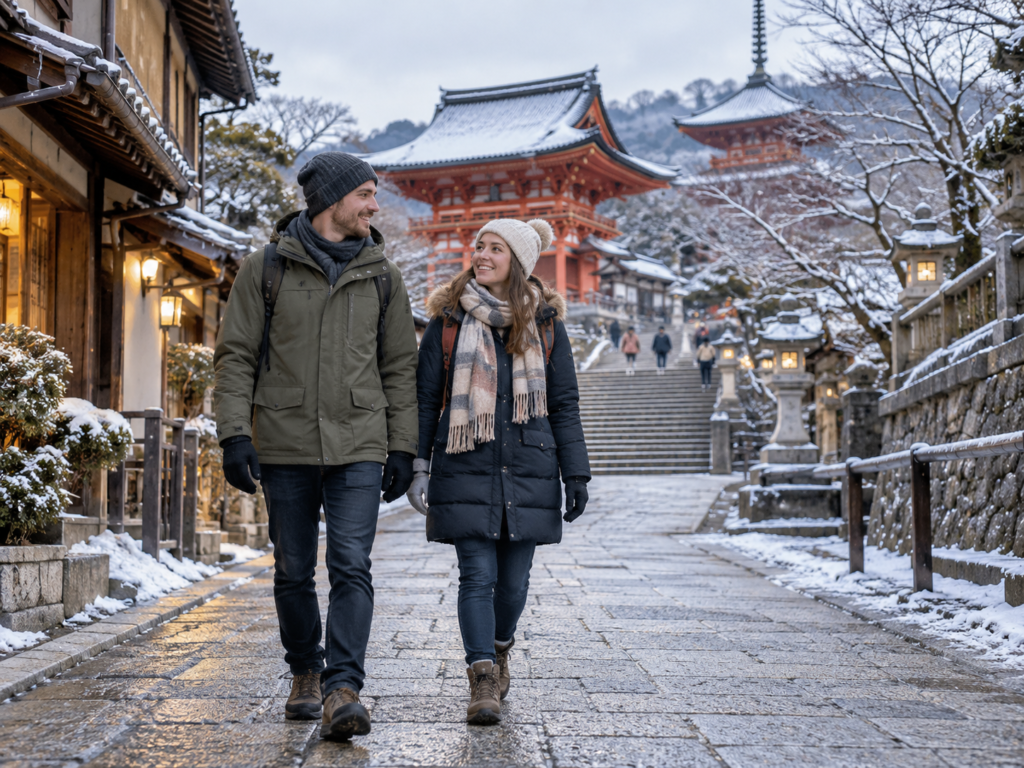
What to Wear in Kyoto in Winter: Essential Travel Tips
Kyoto can become quite cold during December, January, and February.
If you’re traveling from a warmer country, winter clothing should be an important part of your preparation.
Essential Winter Clothing
Warm winter coat
A wool coat, down jacket, or similarly warm outer layer is recommended.
Scarf and gloves
These are particularly useful during morning and evening sightseeing.
Layered clothing
Trains, buses, and indoor facilities are often heated.
Wearing layers allows you to adjust comfortably between indoor and outdoor temperatures.
Warm socks
Some Japanese temples, traditional buildings, and tea rooms require visitors to remove their shoes.
Warm socks can make the experience more comfortable.
Comfortable walking shoes
Kyoto has stone pathways, stairs, and sloping streets.
Choose footwear with good grip, particularly if rain or snow is forecast.
Are Japanese Tea Rooms Warm in Winter?
This depends on the venue.
Some traditional buildings have modern heating, while others may feel cooler than contemporary buildings.
If you’re concerned about cold floors or seating arrangements, check with your chosen tea ceremony provider before visiting.
Should You Expect Snow?
Snowfall is possible, but central Kyoto does not usually experience heavy or persistent snow accumulation.
Plan around cultural activities and sightseeing rather than relying on snowy conditions.
5 Things International Visitors Should Check Before Booking Winter Activities in Kyoto
Booking a cultural experience in winter can be straightforward, but a few practical details are worth checking.
1. Combine Indoor and Outdoor Activities
Rather than spending an entire day outside, alternate between sightseeing and cultural workshops.
This can make your winter itinerary more comfortable.
2. Confirm English-Language Support
Traditional Japanese activities often include unfamiliar customs or specialized techniques.
Choosing an English-friendly experience allows you to understand the cultural background more easily.
3. Check New Year Holiday Hours
Some attractions, restaurants, and cultural venues have different opening schedules around December 31 and the first days of January.
Always verify opening dates before visiting.
4. Review Age and Group Requirements
Some workshops have minimum participation ages or require a certain number of guests.
This is particularly important for solo travelers and families with young children.
5. Book Seasonal Experiences Early
Special winter openings, seasonal events, and popular workshops may have limited capacity or specific operating dates.
Advance booking is recommended when possible.
A Relaxing Half-Day Winter Itinerary in Gion, Kyoto
Gion is one of Kyoto’s most famous historic neighborhoods.
It is also a convenient area for combining traditional sightseeing with cultural activities.
If you’re visiting Kyoto in winter, consider a relaxed half-day itinerary with opportunities to warm up indoors.
10:30 AM — Start at Gion-Shijo Station
Begin your day near Gion-Shijo Station on the Keihan Railway.
Explore the surrounding historic neighborhood.
Admire the traditional wooden architecture, narrow streets, and Kyoto-style townhouses.
Take your time, but remember to dress warmly.
11:30 AM — Enjoy a Warm Kyoto Lunch
Stop at a restaurant or café in Gion.
Try Japanese cuisine or a seasonal dish.
A warm lunch provides a comfortable break before your afternoon activity.
1:00 PM — Experience a Traditional Japanese Tea Ceremony
Spend the afternoon discovering Japanese tea culture.
Watch the host prepare matcha.
Learn about traditional tea utensils.
Enjoy seasonal wagashi.
And, if included in the program, prepare your own matcha using a bamboo whisk.
This is a memorable way to experience Japanese culture while taking a break from winter sightseeing.
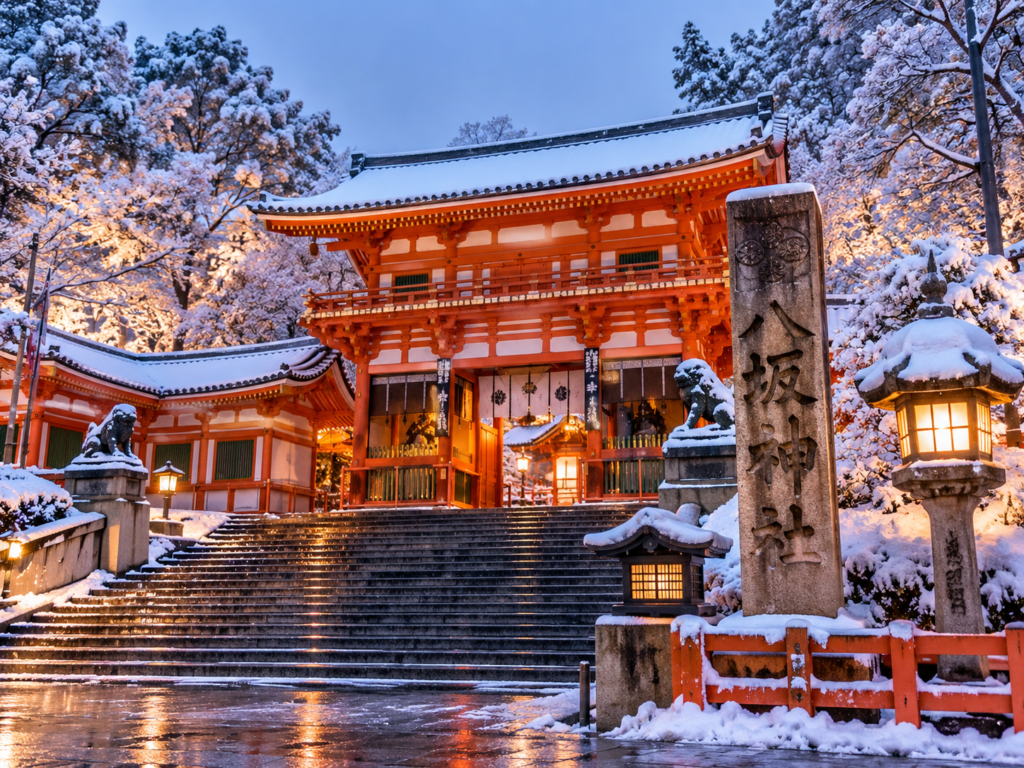
2:45 PM — Visit Yasaka Shrine
After your tea ceremony, continue to Yasaka Shrine.
Located near Gion, it is one of Kyoto’s well-known shrines.
Take some time to appreciate the shrine architecture and atmosphere.
If you’re visiting during the New Year period, you may notice seasonal decorations or additional visitors.
3:30 PM — Relax at a Café
Finish your afternoon with a visit to a café in the Gion area.
Enjoy warm tea, coffee, or Japanese sweets before continuing your travels.
This is a sample itinerary. Adjust your plans according to opening hours, reservation times, weather conditions, and holiday schedules.
Experience Traditional Japanese Culture at THE TEA CEREMONY GION Orizuruya
If you’re looking for a traditional Japanese cultural experience during your winter trip, THE TEA CEREMONY GION Orizuruya offers several programs in Kyoto’s historic Gion district.
The venue is approximately four minutes on foot from Gion-Shijo Station and seven minutes from Kyoto-Kawaramachi Station.
Its location makes it convenient to combine a cultural activity with sightseeing around Gion.
Traditional Japanese Tea Ceremony
During the standard tea ceremony experience, guests learn about Japanese tea culture and observe the host preparing matcha.
Participants can enjoy traditional Kyoto wagashi and prepare their own matcha using a bamboo whisk.
The program offers a hands-on introduction to Japanese hospitality and tea traditions.
Duration: Approximately 90 minutes
Price: ¥7,700 per person
Explore the Japanese Tea Ceremony Experience
Japanese Calligraphy and Tea Ceremony
For visitors who want to discover more than one Japanese tradition, Orizuruya also offers a program combining calligraphy and tea ceremony.
Participants can learn about Japanese brush writing and experience traditional matcha preparation during the same visit.
This is a practical option for visitors interested in creative activities and Japanese cultural heritage.
Duration: Approximately 120 minutes
Price: ¥13,200 per person
Discover the Calligraphy and Tea Ceremony Course
Authentic Maiko Tea Ceremony
For a particularly memorable Kyoto cultural experience, Orizuruya offers a special tea ceremony involving a real maiko.
Guests can observe a maiko preparing tea and discover a tradition associated with Kyoto’s historic entertainment districts.
The program also includes an opportunity to prepare matcha.
It can be an interesting choice for visitors celebrating an anniversary, enjoying a honeymoon, or seeking a distinctive traditional experience.
Duration: Approximately 90 minutes
Price: ¥16,500 per person, including tax
Discover the Authentic Maiko Tea Ceremony
Prices reflect the official website information checked in October 2026. Availability, participation conditions, and prices may change. Check the official reservation pages before booking.
Frequently Asked Questions About Kyoto Winter Activities
What are the best things to do in Kyoto in winter?
Popular winter activities include Japanese tea ceremony, calligraphy, wagashi making, kimono rental, pottery, traditional crafts, temple visits, and seasonal Japanese food experiences.
Is Kyoto worth visiting in winter?
Yes. Winter offers opportunities to experience Kyoto’s traditional culture, peaceful scenery, seasonal cuisine, and Japanese New Year customs.
Does Kyoto get snow in December?
Snow is possible, but accumulation in central Kyoto is uncommon. Visitors should not assume they will see snow during their trip.
What is the coldest month in Kyoto?
January and February are typically Kyoto’s coldest months, with average temperatures around 5°C (41°F).
What are the best indoor activities in Kyoto during winter?
Tea ceremony, calligraphy, wagashi making, pottery, incense making, and other traditional workshops are good indoor activities.
Can foreigners join a Japanese tea ceremony in winter?
Yes. Kyoto has tea ceremony experiences for international visitors and beginners. Check language availability and booking conditions before visiting.
Can you wear kimono in Kyoto in winter?
Yes. Many travelers wear kimono during the colder months, but appropriate winter underlayers and accessories are important.
What are the best Kyoto winter activities for couples?
Kimono rental, tea ceremony, pottery, traditional dining, and authentic maiko cultural experiences can make memorable activities for couples.
What can families do in Kyoto during winter?
Families can consider wagashi making, age-appropriate traditional crafts, museums, calligraphy, and tea ceremony experiences that accept children.
What is Hatsumode in Japan?
Hatsumode is the first visit to a shrine or temple in the New Year. People traditionally pray for happiness, health, and good fortune.
What is Setsubun?
Setsubun is a traditional Japanese seasonal event held around early February. It is associated with welcoming good fortune and driving away bad luck.
Are attractions open in Kyoto during the New Year holidays?
Some are open, but others may have special hours or closures. Check official information before visiting, especially around December 31 and January 1–3.
What should I wear to a Kyoto tea ceremony in winter?
Wear comfortable, respectful clothing with warm layers. Because some venues require shoes to be removed, warm socks may be helpful.
Do Kyoto cultural experiences need advance reservations?
Advance booking is recommended, especially during weekends, holidays, and special seasonal events.
Discover a Different Side of Kyoto This Winter
Kyoto is beautiful in every season.
Spring brings cherry blossoms.
Summer brings lively festivals.
Autumn fills the city with colorful leaves.
But winter offers something equally memorable.
Peaceful temple surroundings.
Traditional streets in crisp winter air.
Warm Japanese cuisine.
Seasonal sweets.
The quiet beauty of Japanese tea ceremony.
And cultural traditions that have been passed down through generations.
For international visitors, winter is a wonderful opportunity to experience a more reflective side of Kyoto.
Instead of focusing only on famous sightseeing spots, take time to discover the traditions that make the city special.
Prepare matcha.
Write Japanese calligraphy.
Create seasonal wagashi.
Learn about traditional craftsmanship.
Or experience Kyoto’s authentic maiko culture.
These activities can transform an ordinary winter vacation into a meaningful cultural journey.
When visiting Kyoto this winter, don’t just explore Japan’s historic capital. Experience its living traditions.