

Best Things to Do in Gion, Kyoto: A Cultural Half-Day Itinerary
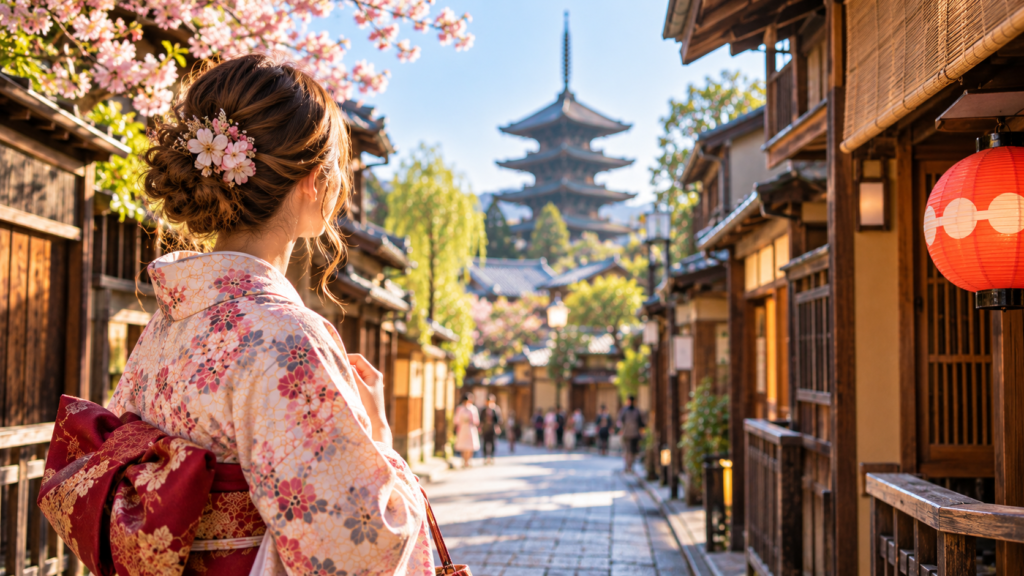
If you are visiting Kyoto for the first time, Gion should be high on your list.
Traditional wooden townhouses.
Historic temples and shrines.
Quiet stone-paved streets.
Matcha and Japanese sweets.
Maiko and geiko culture.
And opportunities to experience traditional Japanese arts such as tea ceremony and calligraphy.
Gion is one of the best areas in Kyoto for travelers who want to experience the atmosphere of historic Japan without traveling far between attractions.
But what should you actually do in Gion?
How much time do you need?
Can you see a real maiko?
Is Gion worth visiting during the day?
And how can you fit a tea ceremony into your itinerary?
This guide covers some of the best things to do in Gion, Kyoto, along with a practical half-day itinerary for first-time visitors.
Rather than rushing from one photo spot to another, the goal is simple:
Walk through Gion, understand its culture, and experience part of it yourself.
What Is Gion?
Gion is one of Kyoto’s most famous historic districts.
Located in the Higashiyama area of Kyoto, it is closely associated with traditional architecture, temples, shrines, tea houses, and Kyoto’s famous kagai, or geiko and maiko entertainment districts.
It is also one of the places where visitors can experience an important contrast within modern Kyoto.
Gion is historic, but it is not simply a historical reconstruction created for tourists.
People live and work here.
Restaurants operate inside traditional buildings.
Temples continue religious traditions.
Maiko and geiko continue to work within Kyoto’s traditional entertainment culture.
Tea ceremony and other Japanese arts are still practiced.
This is one reason Gion feels different from an ordinary sightseeing attraction.
It is a historic neighborhood where traditional culture remains part of everyday life.
How Much Time Do You Need in Gion?
You can walk through part of Gion in an hour or two.
But if you want to visit a temple, explore the streets, enjoy food or matcha, and participate in a cultural experience, allow approximately 3 to 5 hours.
A half-day gives you enough time to experience Gion without rushing.
For example, you can combine:
A Zen temple
Traditional streets
Lunch
A tea ceremony
A shrine
And an evening walk
all within a relatively compact area.
Gion is best experienced at a slower pace.
Do not make every minute of your visit about reaching the next attraction.
Sometimes the street between two destinations is just as interesting as the destination itself.
1. Visit Kennin-ji, Kyoto’s Oldest Zen Temple
One of the best places to begin exploring Gion is Kennin-ji Temple.
Located close to the heart of the district, Kennin-ji is known as Kyoto’s oldest Zen temple.
The atmosphere changes noticeably as you move away from the busy streets and enter the temple grounds.
Kennin-ji offers an introduction to an important part of Kyoto’s cultural history.
Zen Buddhism influenced many aspects of Japanese culture over the centuries, including art, gardens, aesthetics, and the development of tea culture.
Tea ceremony and Zen Buddhism are not the same thing, but their histories are closely connected.
For this reason, visiting a Zen temple before participating in a tea ceremony can add useful cultural context to your day.
2. Walk Through the Historic Streets of Gion
You do not need an attraction every five minutes in Gion.
Walking is one of the main things to do here.
Look for traditional wooden machiya townhouses.
Notice lattice windows.
Small shrines.
Noren curtains hanging outside shops.
Narrow lanes.
Traditional architecture beside modern Kyoto.
Many travelers focus on reaching famous photo locations and forget to pay attention to the streets around them.
Try slowing down.
Gion rewards observation.
3. Explore the Hanamikoji Area Respectfully
The Hanamikoji area is one of the most recognizable parts of Gion.
Traditional buildings and the neighborhood’s connection with Kyoto’s entertainment culture make it popular with international visitors.
However, there is something important to understand before visiting:
Gion is not a theme park.
Some buildings are private.
People are working.
Residents use the same streets as tourists.
Rules regarding photography and access should always be respected.
Do not enter private property.
Do not block narrow streets for photographs.
Follow local signs.
And never treat a maiko or geiko as if she were a tourist attraction that can be stopped for a photograph.
Respectful tourism helps preserve the very culture travelers have come to experience.
4. Can You See a Maiko in Gion?
This is one of the most common questions international travelers ask:
Can I see a real maiko in Gion?
Possibly.
Gion is closely associated with maiko and geiko culture, and visitors may occasionally see them traveling to work.
But simply walking around Gion does not guarantee that you will see a maiko.
More importantly, if you do see one, remember that she may be on her way to an appointment.
Do not chase her.
Do not block her path.
Do not surround her for photographs.
Do not take intrusive close-up photographs without permission.
If meeting a real maiko is important to you, a better option is to book a cultural experience that includes a real maiko.
This allows you to encounter the culture in an appropriate setting instead of relying on a chance meeting in the street.
5. Join a Japanese Tea Ceremony
One of the best cultural experiences to add to a Gion itinerary is a Japanese tea ceremony.
Many sightseeing activities are based on observation.
You look at a temple.
You photograph a street.
You visit a shrine.
Tea ceremony is different.
You participate.
Enter the tea room.
Sit on tatami.
Watch the host prepare matcha.
Observe the utensils.
Enjoy wagashi.
Hold a bamboo whisk.
Prepare your own bowl of matcha.
Drink it.
For international visitors, this can transform Japanese culture from something you have seen in photographs into something physical and memorable.
You are no longer only looking at Kyoto.
For a short time, you are participating in one of its cultural traditions.
6. Enjoy Matcha and Wagashi
Kyoto is one of the best destinations in Japan for matcha lovers.
Around Gion, you will find many ways to enjoy it.
Matcha parfaits.
Matcha ice cream.
Matcha lattes.
Traditional Japanese tea.
Wagashi.
Trying a matcha dessert is certainly part of the fun of visiting Kyoto.
But a tea ceremony introduces another side of matcha culture.
Traditionally, matcha may be served with a Japanese sweet called wagashi.
The sweet is generally enjoyed before the tea.
Why?
One reason is flavor.
The sweetness of wagashi creates a pleasant contrast with the bitterness and umami of matcha.
Wagashi can also express the Japanese seasons through color, shape, ingredients, and design.
A spring sweet might suggest cherry blossoms.
An autumn sweet may evoke maple leaves.
This makes matcha and wagashi not simply food, but part of a broader seasonal experience.
7. Visit Yasaka Shrine
At the eastern side of Gion is Yasaka Shrine, one of Kyoto’s most recognizable shrines.
It is easy to combine with a walk through Gion and the surrounding Higashiyama area.
You might visit the shrine first and then walk west through Gion.
Or you can explore Gion before finishing your afternoon at Yasaka Shrine.
Either direction works well.
Visiting the shrine also gives travelers a better understanding of Gion as more than a collection of picturesque streets.
The area’s history and cultural identity are closely connected with Yasaka Shrine and the famous Gion Matsuri festival.
8. Take a Break by the Kamo River
Kyoto sightseeing involves a surprising amount of walking.
After visiting temples, shrines, shops, and cultural attractions, it can be refreshing to do absolutely nothing for a while.
The Kamo River is easily accessible from the Gion-Shijo area.
Take a short walk.
Sit near the river.
Watch Kyoto go by.
Travel itineraries do not need to be filled every minute.
Leaving a little empty time can make the rest of the day more enjoyable.
9. Explore Gion in a Kimono
If you want to make your day in Gion feel even more immersive, consider renting a kimono.
Traditional streets provide a beautiful setting for wearing Japanese clothing, and there are many kimono rental businesses in Kyoto.
One popular combination is:
Kimono + Gion sightseeing + tea ceremony
You can dress in kimono, explore the historic district, and then enter a tea room for a cultural experience.
The combination can also create memorable photographs.
Just remember to plan enough time for dressing, walking, your reservation, and returning the kimono.
Traditional footwear and clothing may also make walking slower than usual.
10. Try Japanese Calligraphy
Tea ceremony is not the only Japanese cultural experience available in Kyoto.
Another excellent option is shodo, or Japanese calligraphy.
Hold a brush.
Dip it into black ink.
Choose a meaningful kanji.
Practice the strokes.
Then create your own piece of calligraphy.
For international visitors, calligraphy offers an interesting way to experience Japanese writing as visual art.
It also creates something physical that you can remember from your trip.
Calligraphy and tea ceremony work particularly well together.
One uses brush and ink.
The other uses matcha and a bamboo whisk.
Both reward concentration, controlled movement, appreciation of tools, and attention to small details.
11. Experience Real Maiko Culture
If maiko culture is one of the main reasons you are visiting Gion, consider going beyond simply hoping to see someone in the street.
A cultural experience involving a real maiko can provide much more context.
You can learn what a maiko actually is.
Understand the difference between maiko and geiko.
See traditional clothing and appearance at close range.
And experience the culture in an appropriate environment.
This is very different from a maiko makeover, where a visitor dresses in a maiko-inspired costume.
Both can be enjoyable experiences, but they are not the same thing.
If your goal is to encounter authentic Kyoto maiko culture, check carefully what an experience actually includes before booking.
12. Try Kyoto Food in and Around Gion
Gion is also an excellent area for food.
Depending on your budget and schedule, you might explore:
Traditional Japanese cuisine
Kyoto-style dishes
Soba or udon
Sushi
Wagashi
Japanese tea
Seasonal cuisine
Fine dining
A long traditional meal can become a major part of your itinerary, while travelers with limited time may prefer a lighter lunch before continuing sightseeing.
If you have a reserved tea ceremony or other cultural activity, leave enough time between lunch and your booking.
Kyoto’s narrow streets can become crowded, so avoid planning your schedule too tightly.
A Half-Day Gion Itinerary for First-Time Visitors
If this is your first visit to Gion, here is a simple cultural itinerary covering approximately four to five hours.
Times are examples only.
Adjust them according to opening hours, reservations, weather, and how quickly you like to travel.
10:00 AM — Kennin-ji Temple
Begin your day with one of Gion’s most important temples.
Explore the temple and experience a quieter side of Kyoto before the surrounding streets become busier.
Suggested time: 45–60 minutes
↓
11:00 AM — Walk Through Gion
Explore the neighborhood slowly.
Look at traditional architecture and enjoy the streets rather than rushing directly to the next destination.
Suggested time: 30–45 minutes
↓
11:45 AM — Lunch
Stop for lunch or a light meal in or around Gion.
If you have an afternoon reservation, choose somewhere that allows enough time to arrive without rushing.
Suggested time: around 60 minutes
↓
1:00 PM — Japanese Tea Ceremony
Now move from sightseeing to cultural participation.
Enter a tea room.
Learn about tea culture.
Watch matcha being prepared.
Enjoy Japanese wagashi.
And try using a bamboo chasen to whisk matcha yourself.
Suggested time: around 90 minutes
↓
2:30–3:00 PM — Yasaka Shrine
After the tea ceremony, walk toward Yasaka Shrine.
Visit the shrine and continue into the Higashiyama area if you have more time.
This route gives you a mixture of:
Zen culture + historic streets + food + tea ceremony + Shinto culture
without needing to travel across Kyoto between every stop.
Afternoon and Evening Gion Itinerary
Not everyone wants to start early.
Gion also works well in the afternoon.
For example:
1:00 PM — Kennin-ji
↓
2:00 PM — Explore Gion
↓
3:00 PM — Tea ceremony
↓
4:30 PM — Yasaka Shrine
↓
5:30 PM onward — Evening walk and dinner
As daylight changes, Gion takes on a different atmosphere.
This can make late afternoon and early evening especially enjoyable for travelers interested in photography and traditional streets.
Always check the current opening hours of temples, attractions, and businesses before planning your route.
What to Do in Gion on a Rainy Day
Rain does not have to ruin your day in Kyoto.
Gion and the surrounding area offer several cultural experiences that work well indoors.
Tea ceremony.
Japanese calligraphy.
Wagashi.
Japanese cuisine.
Museums and cultural facilities.
Instead of canceling your sightseeing plans, combine shorter walks with indoor activities.
Rain can also give Kyoto’s traditional streets a particularly atmospheric appearance.
A rainy day may end up becoming one of the most memorable parts of your trip.
What to Do in Gion During a Hot Kyoto Summer
Kyoto summers can be extremely hot and humid.
Walking outside continuously from morning until late afternoon can be exhausting.
A more comfortable summer itinerary is:
Outdoor sightseeing in the morning
↓
Lunch
↓
Indoor cultural experience during the hottest part of the day
↓
More sightseeing in the late afternoon
Tea ceremony and calligraphy are particularly useful because they give you meaningful cultural experiences indoors rather than simply finding somewhere to escape the heat.
Stay hydrated and avoid overloading your itinerary.
Gion Etiquette: How to Visit Respectfully
Gion has faced challenges caused by overtourism and inappropriate tourist behavior.
Visitors can help by remembering that the neighborhood is not an open-air movie set.
Follow local photography rules.
Stay out of private property.
Do not block narrow streets.
Do not disturb residents.
Do not chase maiko or geiko.
Do not stop people from going to work for photographs.
Follow signs and instructions posted locally.
Traditional culture survives because real people continue to practice it.
Respecting those people is part of experiencing Kyoto responsibly.
The Best Way to Experience Gion: See Something and Do Something
There are dozens of places you could photograph in Gion.
But years after your trip, your strongest memory may not be another photograph.
It may be the first time you held a bamboo whisk.
The taste of matcha you prepared yourself.
The appearance of a seasonal wagashi.
The feeling of a calligraphy brush touching paper.
A conversation about Japanese culture.
This is why a good Gion itinerary should include both:
something to see
and
something to experience.
Visit the temple.
Walk the historic streets.
See the shrine.
But also give yourself time to participate in the culture around you.
Experience Japanese Culture at THE TEA CEREMONY GION Orizuruya
Located in the historic Gion district, THE TEA CEREMONY GION Orizuruya offers Japanese cultural experiences designed to be accessible to international visitors and first-time participants.
Orizuruya is approximately 4 minutes on foot from Gion-Shijo Station and 7 minutes from Kyoto-Kawaramachi Station, making it easy to include in a Gion itinerary.
During the tea ceremony experience, guests can learn about Japanese tea culture, observe the host preparing matcha, enjoy Kyoto wagashi, and use a traditional bamboo chasen to whisk matcha themselves.
For travelers who want to explore more than one Japanese tradition, experiences combining calligraphy and tea ceremony are also available.
Visitors interested specifically in Kyoto’s entertainment culture can also explore experiences involving a real maiko and tea ceremony.
This makes it possible to build a Gion itinerary around more than sightseeing.
Walk through the neighborhood.
Visit its temples and shrines.
Then step inside and experience some of the traditions that helped make Kyoto famous.
Frequently Asked Questions About Visiting Gion
What are the best things to do in Gion, Kyoto?
Popular activities include visiting Kennin-ji Temple and Yasaka Shrine, exploring historic streets, enjoying matcha and wagashi, joining a Japanese tea ceremony, trying calligraphy, and learning about maiko and geiko culture.
Is Gion worth visiting?
For travelers interested in traditional architecture, Japanese culture, temples, tea ceremony, maiko culture, or historic Kyoto, Gion is one of the city’s most interesting districts.
How long should I spend in Gion?
Allow around 3 to 5 hours for a relaxed half-day visit including sightseeing and a cultural experience.
You can also combine Gion with the wider Higashiyama area for a full day.
What is the best time to visit Gion?
Different times offer different experiences.
Morning can be quieter and works well for temple visits.
Afternoon is convenient for combining sightseeing with cultural experiences.
Late afternoon and evening bring a different atmosphere to the historic streets.
Check individual attraction opening hours before planning your visit.
Can I see a maiko in Gion?
You may occasionally see a maiko or geiko, but it is not guaranteed.
If meeting a real maiko is important to you, consider booking an organized cultural experience rather than relying on a chance encounter.
Can I take photos of maiko in Gion?
Always respect local rules and the privacy of the person involved.
Do not chase, block, surround, or intrusively photograph maiko or geiko who are traveling through the neighborhood.
Can I visit Gion in half a day?
Yes.
Gion is compact enough to combine a temple, historic streets, lunch, tea ceremony, and shrine within a half-day itinerary.
What can I do in Gion when it rains?
Indoor cultural activities such as tea ceremony and Japanese calligraphy work particularly well on rainy days.
You can combine them with food, wagashi, and shorter walks through the neighborhood.
Is Gion good for first-time visitors to Kyoto?
Yes.
The area combines many things international travelers associate with Kyoto—traditional architecture, temples, shrines, tea culture, matcha, and maiko culture—within a relatively compact area.
Don’t Just See Gion—Experience It
Gion is beautiful.
But the neighborhood becomes much more interesting when you stop treating it as a collection of photo locations.
Walk through a Zen temple.
Notice the details of a machiya.
Visit a shrine.
Taste wagashi.
Learn about maiko culture.
Hold a bamboo whisk.
Prepare matcha.
Write a kanji with a calligraphy brush.
These experiences reveal different sides of Kyoto.
And because many of them can be combined within the same neighborhood, you do not need a complicated itinerary.
If you only have half a day in Gion, do not try to see everything.
Choose a few places.
Walk slowly.
And include at least one experience that allows you to participate in Japanese culture rather than simply observe it.
See Gion, taste Gion, and experience the culture that continues to make this one of Kyoto’s most fascinating neighborhoods.