

Kimono Tea Ceremony in Kyoto: Experience Two Japanese Traditions in One Day
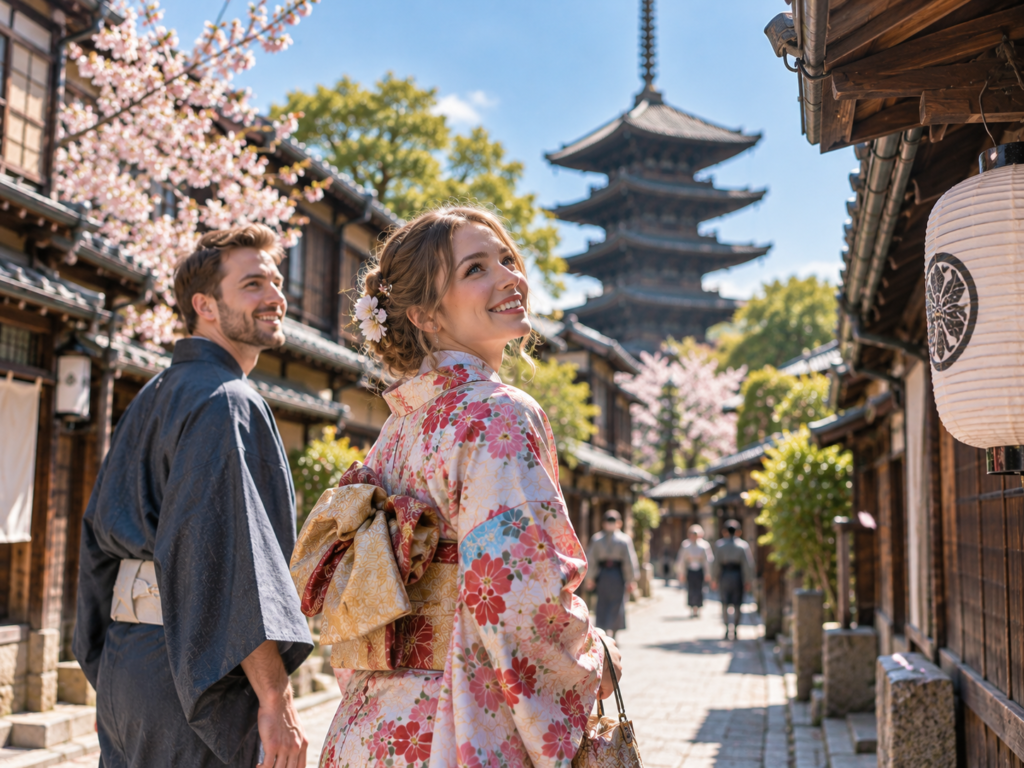
If you are looking for an authentic Japanese cultural experience in Kyoto, two activities should be near the top of your list: wearing a kimono and experiencing a traditional Japanese tea ceremony.
Walk through the historic streets of Kyoto in a beautiful kimono.
Step inside a traditional tatami room.
Watch matcha being prepared with graceful, precise movements.
Taste seasonal Japanese sweets.
Then take a bamboo whisk in your own hands and prepare a bowl of matcha yourself.
Kyoto is filled with beautiful temples, shrines, gardens, and historic streets. But combining a kimono experience with a tea ceremony allows you to do more than simply look at Japanese culture.
You become part of the experience.
Many international visitors planning a trip to Kyoto have questions such as:
“Can I attend a tea ceremony while wearing a kimono?”
“Where is the best place in Kyoto for a kimono tea ceremony?”
“Should I rent a kimono before or after the tea ceremony?”
“Can I experience both kimono and tea ceremony in one day?”
The answer is yes.
In this guide, we explain how to combine a kimono and tea ceremony in Kyoto, why Gion is one of the best areas for the experience, what to expect, and how to plan the perfect day of Japanese culture.
Why Combine a Kimono and Tea Ceremony in Kyoto?
Kimono and tea ceremony are both important parts of traditional Japanese culture.
Experiencing them together creates something even more memorable.
A kimono changes the way you experience Kyoto.
Instead of simply walking through historic streets in everyday clothes, you can experience the atmosphere of the city while wearing traditional Japanese clothing.
Then, when you enter a tea room, the experience continues.
Tatami flooring.
Traditional tea utensils.
A hanging scroll.
Seasonal flowers.
Matcha.
Japanese wagashi sweets.
Carefully performed movements.
The entire environment reflects Japanese aesthetics and hospitality.
Kyoto is particularly suited to this combination because traditional architecture, temples, shrines, tea culture, kimono culture, and historic neighborhoods still exist close together.
Rather than experiencing Japanese traditions in isolation, you can spend an entire day surrounded by them.
Why Wear a Kimono in Kyoto?
Most people in modern Japan wear Western-style clothing in everyday life.
However, kimono remain an important part of Japanese culture and are still worn for weddings, ceremonies, festivals, tea gatherings, and other special occasions.
For international travelers, Kyoto is one of the easiest places in Japan to experience wearing a kimono.
There are many kimono rental shops throughout the city, particularly around popular sightseeing areas.
Depending on the rental plan, your experience may include:
- Kimono
- Obi sash
- Traditional bag
- Zori sandals
- Dressing assistance
- Hair styling
This means you do not need to own or bring a kimono to Japan.
After being professionally dressed, you can usually leave the rental shop and explore Kyoto in your kimono before returning it later in the day.
And few cities provide a better setting for it than Kyoto.
Why Experience a Japanese Tea Ceremony in Kyoto?
Japanese tea ceremony, known as chado, sado, or chanoyu, is one of Japan’s most famous traditional cultural practices.
But tea ceremony is about much more than drinking matcha.
The tea room itself.
The tea bowl.
The bamboo whisk.
Seasonal flowers.
The hanging scroll.
Japanese sweets.
The preparation of the tea.
Even the smallest movements can have meaning.
Together, these elements create a carefully considered experience centered on hospitality and respect between host and guest.
One of the ideas at the heart of tea ceremony is appreciating the present moment.
Listen to the sound of hot water.
Watch the matcha being whisked.
Notice the aroma of the tea.
Feel the tea bowl in your hands.
Taste the sweetness of wagashi followed by the pleasant bitterness of matcha.
For travelers who spend much of their Kyoto trip moving between sightseeing attractions, a tea ceremony offers an opportunity to slow down and experience Japanese culture through the senses.
Can You Attend a Tea Ceremony Wearing a Kimono?
Yes.
In many cases, you can attend a tea ceremony in Kyoto while wearing a rented kimono.
In fact, kimono and tea ceremony complement each other beautifully.
Entering a traditional tatami tea room while wearing kimono can make the atmosphere feel even more special.
It can also create memorable photographs of your Kyoto trip.
You do not need to be an expert in kimono or tea ceremony etiquette.
Tourist-friendly tea ceremony experiences are designed for beginners, and the host can explain the basic movements and manners.
The most important thing is to respect the space, listen to the instructions, and enjoy the experience.
Why Gion Is One of the Best Places for a Kimono Tea Ceremony
There are many areas in Kyoto where you can rent kimono or experience tea ceremony.
For first-time visitors, however, Gion is particularly convenient.
Gion is one of Kyoto’s most famous historic districts.
The area is known for its traditional architecture, machiya townhouses, temples, shrines, tea houses, and maiko and geiko culture.
This makes it an ideal environment for wearing kimono.
Instead of walking through a modern commercial district, you can explore streets where the traditional atmosphere of Kyoto is still visible.
Gion also has many major attractions within walking distance.
This makes it possible to combine sightseeing, kimono, and tea ceremony without spending much of your day traveling across the city.
Places to Visit in Gion While Wearing a Kimono
Once you have rented your kimono, there are several places around Gion that work particularly well as part of your cultural day.
Historic Gion Streets
Walking through the historic streets of Gion is an experience in itself.
Traditional machiya buildings and narrow streets create an atmosphere that feels very different from modern Kyoto.
However, remember that Gion is not a theme park.
Some streets and properties are private, and photography may be restricted in certain areas.
Always follow local signs and respect residents and businesses.
Yasaka Shrine
Yasaka Shrine is one of Kyoto’s best-known Shinto shrines and is located at the eastern edge of Gion.
It is easy to combine with a walk through the neighborhood and is a popular stop for visitors wearing kimono.
Kennin-ji Temple
Kennin-ji is a historic Zen temple located close to central Gion.
After walking through the busy streets outside, entering the temple offers a noticeable change of atmosphere.
Tea culture and Zen have a deep historical relationship, making Kennin-ji particularly interesting to visit before a tea ceremony.
Kamo River
The Kamo River is located near Gion-Shijo Station.
Walking along the river offers a different side of Kyoto: quieter, more open, and closer to everyday local life.
It can be a relaxing stop after exploring Gion.
Which Should You Do First: Kimono Rental or Tea Ceremony?
If you want to enjoy both experiences on the same day, it usually makes sense to rent your kimono first.
You can then spend the day sightseeing in your kimono before attending your reserved tea ceremony.
For example:
10:00 AM — Kimono rental
Choose your kimono and have it professionally fitted.
11:00 AM — Explore Gion and Yasaka Shrine
Walk through the historic neighborhood and visit one of Kyoto’s famous shrines.
12:00 PM — Lunch
Enjoy Japanese cuisine around Gion or Higashiyama.
1:30 PM — Visit Kennin-ji Temple
Spend some quiet time experiencing a historic Zen temple.
3:00 PM — Japanese tea ceremony
Enter a traditional tea room and experience matcha, wagashi, and Japanese hospitality.
5:00 PM — Walk toward the Kamo River
Enjoy the late-afternoon atmosphere before returning your kimono.
6:00 PM — Return your kimono
Finish the cultural experience and continue to dinner.
Exact times will depend on your reservations and the kimono rental shop’s return policy.
Always check the return time in advance.
Tips for Attending a Tea Ceremony in Kimono
Wearing a kimono for the first time is exciting, but it also feels different from wearing everyday clothes.
A few simple tips can make your day much more comfortable.
Allow Extra Travel Time
You may walk more slowly in kimono and traditional footwear.
Do not schedule your tea ceremony too close to another activity.
Give yourself enough time to reach the venue without rushing.
Do Not Overpack Your Schedule
Kyoto has so much to see that it can be tempting to fill every hour.
But kimono and tea ceremony are best enjoyed at a slower pace.
Instead of trying to visit ten attractions, choose a smaller number and enjoy the atmosphere.
You Do Not Need to Know Tea Ceremony Etiquette
First-time visitors sometimes worry that they will accidentally do something wrong.
Do not let this stop you from participating.
A beginner-friendly tea ceremony will explain what you need to know.
Tea ceremony is not an etiquette examination.
Approach the experience with curiosity and respect.
Kimono and Tea Ceremony Make Beautiful Kyoto Memories
Kyoto is one of the most photographed cities in Japan.
Temples.
Shrines.
Cherry blossoms.
Autumn leaves.
Traditional streets.
Japanese gardens.
These all make wonderful travel photographs.
But wearing a kimono during a tea ceremony creates something more personal.
Holding a tea bowl in a tatami room.
Using a bamboo whisk to prepare matcha.
Enjoying wagashi in traditional surroundings.
Walking through Gion afterward in kimono.
Instead of simply photographing Japanese culture from the outside, you become part of the scene.
For many international visitors, these photographs become some of the most memorable images from their trip to Japan.
A Romantic Kyoto Experience for Couples
A kimono and tea ceremony day is also an excellent option for couples visiting Kyoto.
Choose kimono together.
Walk through Gion.
Visit a shrine.
Take photographs.
Sit together in a traditional tea room.
Prepare matcha.
Experiences like these create memories that are very different from simply checking famous attractions off a sightseeing list.
Many Kyoto kimono rental shops also offer men’s kimono.
This means both partners can wear traditional Japanese clothing and enjoy the experience together.
For couples looking for a unique cultural date in Kyoto, combining kimono and tea ceremony is an excellent choice.
Is a Kimono Tea Ceremony Good for Families?
Yes, depending on the age requirements of the specific experience.
For children visiting Japan from overseas, many aspects of tea ceremony can be completely new.
Sitting on tatami.
Holding a traditional tea bowl.
Using a bamboo whisk.
Making matcha.
Eating Japanese sweets.
These simple activities can make Japanese culture easier to understand than simply reading about it.
Kimono can also make the day particularly memorable for family photographs.
If you are traveling with young children, check the minimum age and participation requirements before booking your tea ceremony.
Experience Tea Ceremony at THE TEA CEREMONY GION Orizuruya
For travelers looking for a Japanese tea ceremony in Gion, THE TEA CEREMONY GION Orizuruya offers an experience in the heart of one of Kyoto’s most historic neighborhoods.
Orizuruya is approximately:
4 minutes on foot from Gion-Shijo Station
and
7 minutes on foot from Kyoto-Kawaramachi Station.
Its location makes it easy to combine a tea ceremony with kimono sightseeing around Gion.
Nearby attractions include Kennin-ji Temple, Yasaka Shrine, the historic streets of Gion, and the Kamo River.
During the tea ceremony experience, guests can learn about Japanese tea culture rather than simply being served a bowl of matcha.
You can observe the preparation of tea and then use a traditional bamboo chasen whisk to prepare matcha yourself.
Japanese wagashi sweets from a long-established Kyoto confectioner can also be enjoyed with the tea.
The combination of matcha, wagashi, traditional surroundings, and hands-on participation offers a deeper introduction to Japanese tea culture.
If you have already rented a kimono for your day in Kyoto, visiting a traditional tea room in Gion can be a natural highlight of the experience.
Discover Even More Japanese Culture in Gion
Travelers who want to explore Japanese culture beyond a standard tea ceremony can also consider experiences combining several traditions.
Calligraphy and Tea Ceremony
Japanese calligraphy, or shodo, is another traditional art that can be experienced hands-on.
Using a brush and ink to write Japanese characters offers a very different cultural experience from tea ceremony.
Combining the two allows visitors to explore both visual art and tea culture during their time in Kyoto.
Maiko Tea Ceremony
For an experience particularly connected to Gion, travelers can also discover Kyoto’s maiko culture.
Maiko are apprentices training in traditional performing arts and hospitality within Kyoto’s historic entertainment districts.
Experiencing tea with a real maiko offers an opportunity to see another side of Kyoto’s living cultural traditions.
Kimono.
Tea ceremony.
Calligraphy.
Maiko culture.
Rather than choosing only one “Japanese thing to do,” travelers can combine several traditions into a deeper cultural day in Kyoto.
Frequently Asked Questions About Kimono and Tea Ceremony in Kyoto
Can I wear a kimono to a Japanese tea ceremony in Kyoto?
Yes.
Many visitors rent a kimono and attend a tea ceremony while wearing it.
Check the individual experience if you have any concerns, but kimono and tea ceremony are generally a natural combination.
Do I need to bring my own kimono?
No.
Kyoto has many kimono rental shops where international visitors can rent everything they need for the day.
Depending on the shop and plan, dressing and hair styling may also be available.
Do I need tea ceremony experience?
No.
Beginner-friendly tea ceremony experiences are designed for people with no previous knowledge of Japanese tea culture.
Your host will explain the important parts of the experience.
Can I experience kimono and tea ceremony on the same day?
Yes.
A convenient plan is to rent your kimono in the morning, explore Kyoto, and attend a tea ceremony later in the day.
Where is the best area in Kyoto for kimono and tea ceremony?
Several areas offer both experiences, but Gion is particularly convenient because traditional streets, temples, shrines, kimono rental shops, and cultural experiences are concentrated within a relatively small area.
Can foreigners join a Japanese tea ceremony?
Absolutely.
Kyoto welcomes travelers from around the world, and many tea ceremony experiences are designed to introduce Japanese culture to first-time international visitors.
When booking, check whether explanations are available in a language you und