

7 Best Things to Do in Kyoto at Night: Evening Cultural Experiences in Gion
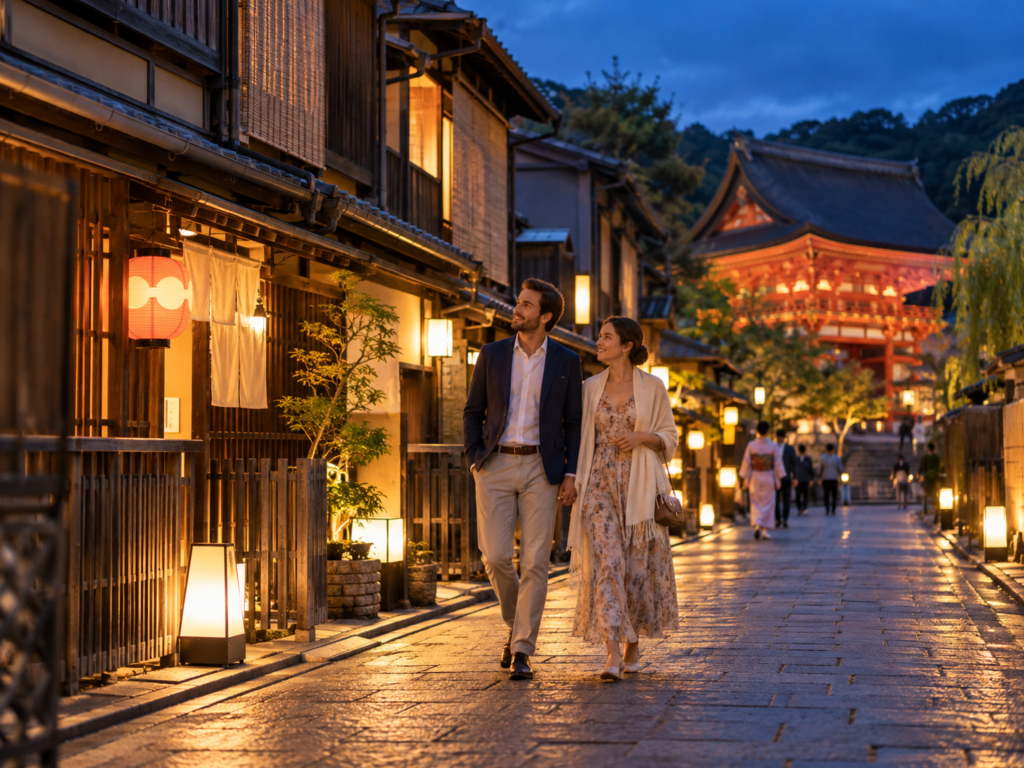
Wondering what to do in Kyoto after sunset?
Kyoto is famous for its beautiful temples, historic shrines, traditional Japanese gardens, and charming streets.
But the city’s beauty doesn’t disappear when the sun goes down.
In fact, evening is one of the most atmospheric times to discover Kyoto.
Imagine walking through the historic streets of Gion as traditional lanterns begin to glow.
Watching authentic Japanese performing arts.
Visiting Yasaka Shrine beneath the evening lights.
Enjoying traditional Kyoto cuisine in a peaceful restaurant.
Or beginning your evening with a Japanese tea ceremony before exploring Gion after dark.
These experiences offer a different perspective on Japan’s historic capital.
For international travelers, evening cultural activities provide opportunities to discover Japanese traditions beyond ordinary daytime sightseeing.
But if you’re visiting Kyoto for the first time, you may have a few questions.
What are the best things to do in Kyoto at night?
Is Gion worth visiting after sunset?
Can tourists see authentic maiko and geiko performances?
Are Japanese tea ceremonies available in the evening?
Which shrines and temples can you visit after dark?
And how can you plan a Kyoto evening itinerary without spending too much time traveling between attractions?
In this guide, we’ll introduce seven memorable Kyoto evening cultural experiences, along with practical travel tips, local etiquette, and a suggested evening itinerary in Gion.
Whether you’re traveling alone, with your partner, or with family, there’s plenty to discover in Kyoto after sunset.
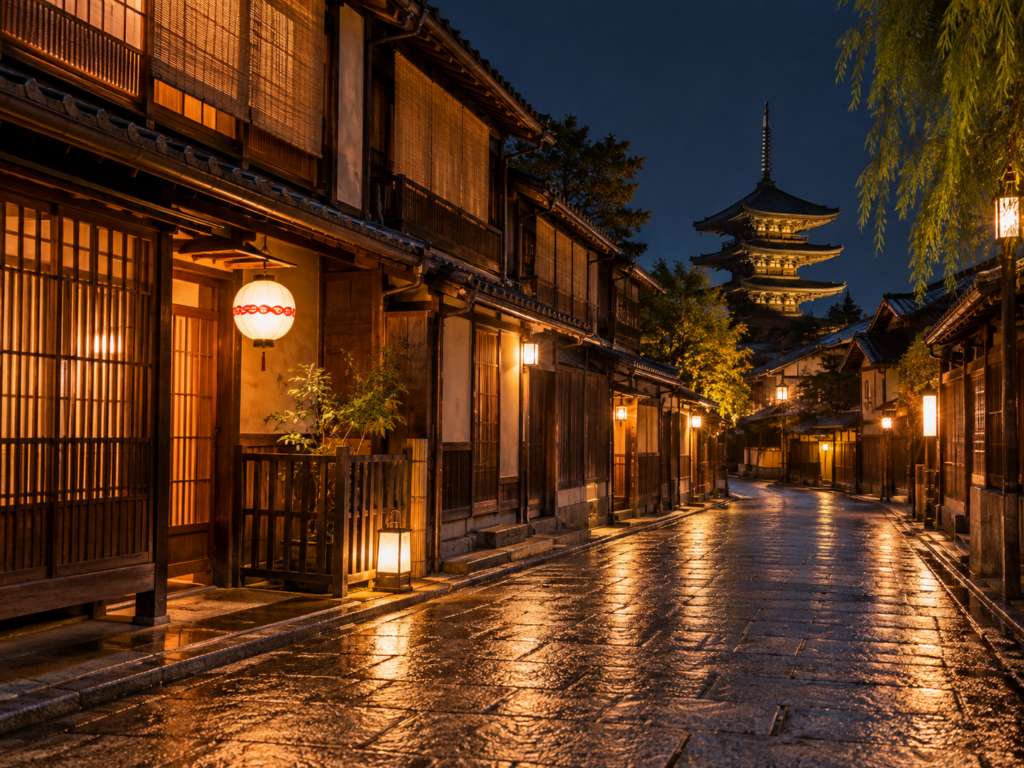
Is Kyoto Worth Visiting at Night?
Absolutely.
Kyoto has a completely different atmosphere in the evening.
During the day, visitors explore famous temples, gardens, shopping streets, and historic neighborhoods.
As evening approaches, traditional buildings take on a softer appearance.
Lanterns begin to glow.
Restaurants welcome guests for dinner.
And some cultural venues prepare for traditional performances.
The evening is also a wonderful time to appreciate Kyoto’s living traditions.
What Makes Kyoto Special After Sunset?
Three things make evening sightseeing in Kyoto particularly memorable.
- Historic streets take on a different atmosphere
Traditional wooden townhouses and lantern-lit streets create a distinctive setting.
- You can discover Japanese performing arts
Certain venues offer evening performances featuring Japanese dance, music, and other traditional arts.
- Kyoto’s food culture becomes part of the experience
A traditional Japanese dinner can introduce visitors to seasonal ingredients, artistic presentation, and Japanese hospitality.
One important thing to remember is that not every cultural experience operates at night.
Hands-on workshops such as tea ceremony and calligraphy may finish in the afternoon.
The best approach is often to combine an afternoon cultural experience with evening sightseeing, a traditional performance, or dinner.
7 Best Evening Cultural Experiences in Kyoto
If you’re looking for things to do in Kyoto at night, here are seven experiences to consider.
| Experience | What You’ll Do | Recommended Time |
| 1. Japanese tea ceremony | Prepare matcha and enjoy traditional sweets | Afternoon to early evening, subject to availability |
| 2. Authentic maiko cultural experience | Discover Kyoto’s traditional entertainment culture | Depends on the program |
| 3. Japanese performing arts at Gion Corner | Watch traditional dance, music, and theater | Evening |
| 4. Yasaka Shrine visit | Explore the shrine’s lantern-lit grounds | Evening or night |
| 5. Temple night illuminations | Enjoy illuminated buildings and gardens | Seasonal evenings |
| 6. Gion evening walk | Explore Kyoto’s historic streets respectfully | Sunset to evening |
| 7. Traditional Kyoto dinner | Enjoy seasonal Japanese cuisine | Dinner hours |
Opening hours, ticket requirements, language support, and availability vary by venue.
Let’s explore each activity in more detail.
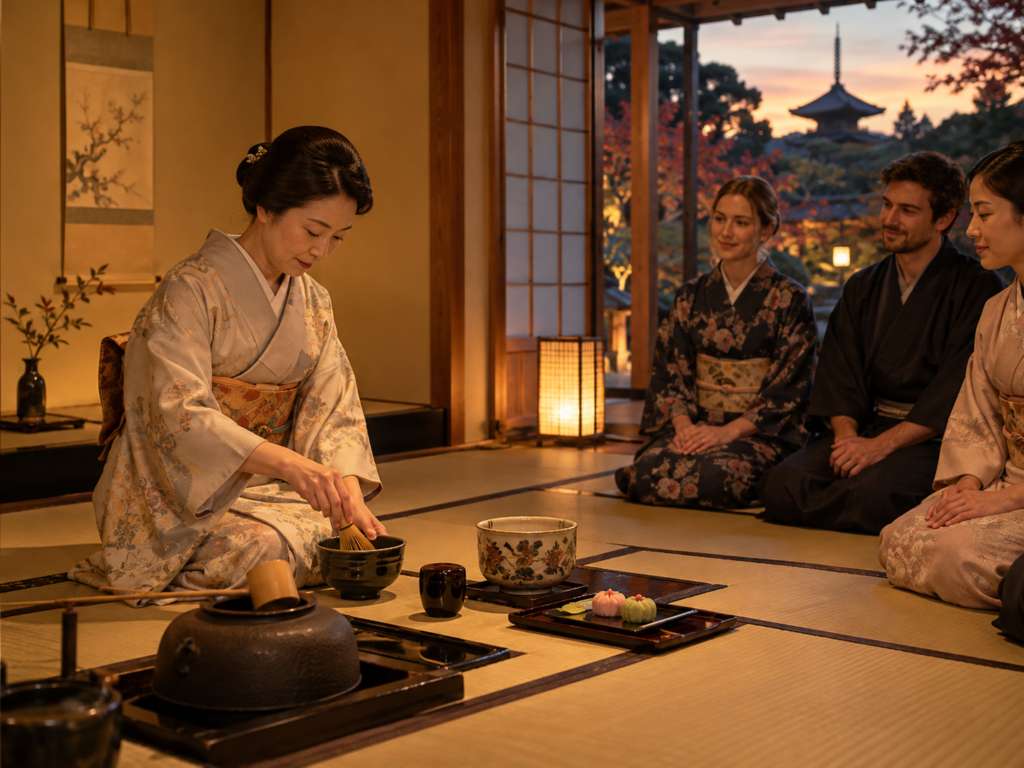
1. Japanese Tea Ceremony: Begin Your Kyoto Evening with Traditional Matcha
One of the most meaningful cultural experiences in Kyoto is participating in a traditional Japanese tea ceremony.
Known as chanoyu or sado, tea ceremony is a Japanese cultural practice centered on preparing and serving matcha.
However, it is much more than simply drinking green tea.
Traditional tea ceremony brings together hospitality, graceful movements, carefully selected utensils, seasonal sweets, and an appreciation for the present moment.
For international visitors, it offers an opportunity to understand Japanese traditions through direct participation.
What Happens During a Japanese Tea Ceremony?
A beginner-friendly tea ceremony may include:
- Learning about Japanese tea culture and its history
- Watching the host demonstrate traditional matcha preparation
- Discovering Japanese tea bowls and other utensils
- Learning basic tea ceremony etiquette
- Enjoying traditional Japanese sweets called wagashi
- Preparing your own matcha using a bamboo whisk
The bamboo whisk, known as a chasen, is used to mix powdered matcha with hot water.
Preparing your own bowl of tea can be one of the most memorable parts of the experience.
Why Try Tea Ceremony Before Exploring Kyoto at Night?
A tea ceremony provides a peaceful contrast to a busy day of sightseeing.
After visiting temples or walking through historic neighborhoods, you can spend time appreciating a traditional Japanese art.
Then, if the timing works, continue your evening with a visit to Yasaka Shrine, a performance, or dinner in Gion.
This combination lets you experience different aspects of Japanese culture without traveling across the entire city.
Are Japanese Tea Ceremonies Available at Night?
Some Kyoto providers may offer late-afternoon or evening programs.
However, many tea ceremony experiences operate primarily during the daytime.
Do not assume that a tea ceremony is available at night simply because it appears in an evening travel guide.
If you’d like to include tea ceremony in your Kyoto evening itinerary, check the latest session times and book an available afternoon or early-evening slot.
Can Foreigners Participate in a Japanese Tea Ceremony?
Yes.
Kyoto has beginner-friendly tea ceremony experiences designed for international visitors.
You generally don’t need previous knowledge of Japanese etiquette.
However, foreign-language guidance varies by venue.
Look for a program offering explanations in English or another language you understand.
Best for: First-time visitors, solo travelers, couples, and anyone interested in traditional Japanese culture.
Explore a Traditional Japanese Tea Ceremony in Gion
2. Authentic Maiko Cultural Experience: Discover Kyoto’s Traditional Entertainment Culture
One of the most distinctive cultural traditions in Kyoto is the world of maiko and geiko.
A maiko is an apprentice geiko, a professional entertainer in Kyoto’s traditional entertainment districts.
International visitors may be more familiar with the word geisha.
In Kyoto, geiko is the locally used term for a professional, while maiko refers to an apprentice.
Maiko study traditional performing arts, including dance and music, along with etiquette and hospitality.
Their colorful kimono, elaborate hairstyles, and seasonal hair ornaments are among Kyoto’s most recognizable cultural symbols.
However, their appearance represents only one aspect of a much deeper artistic tradition.
Why Is Gion Famous for Maiko and Geiko?
Gion is one of Kyoto’s historic entertainment districts.
It is closely connected to the traditional arts and hospitality practiced by maiko and geiko.
The surrounding area includes traditional buildings, restaurants, and establishments associated with Kyoto’s entertainment culture.
Some professional engagements take place during the evening.
However, many of these establishments are not ordinary tourist venues where visitors can simply walk in.
Can Tourists Meet a Real Maiko in the Evening?
You may occasionally see a maiko or geiko walking through Gion.
However, a chance encounter is never guaranteed.
Maiko and geiko are professionals, and their journeys through the neighborhood are part of their working lives.
Visitors should never chase them, block their path, touch them, or take unauthorized photographs.
For travelers who genuinely want to learn about Kyoto’s maiko culture, an organized cultural program is a better option.
Authentic Maiko Experience vs. Maiko Makeover
These are different activities.
Maiko makeover experience
Visitors wear maiko-inspired clothing and makeup for photographs.
Authentic maiko cultural experience
Visitors encounter a real, professionally active maiko through an organized cultural program.
Both can be enjoyable, but they offer different kinds of experiences.
If your goal is to learn about Kyoto’s living performing arts traditions, choose a program featuring an authentic maiko.
Combine Maiko Culture with Japanese Tea Ceremony
Some cultural experiences in Gion combine traditional tea ceremony with the opportunity to observe a real maiko.
Guests can learn about matcha preparation while appreciating the graceful movements and hospitality associated with Kyoto’s traditional arts.
This can be especially memorable for couples, honeymooners, and visitors interested in Japanese performing arts.
However, these programs are not necessarily available at night.
Always check the scheduled session times.
Best for: Couples, honeymooners, cultural enthusiasts, and travelers interested in authentic Kyoto traditions.
Discover an Authentic Maiko Tea Ceremony in Gion
3. Gion Corner: Watch Traditional Japanese Performing Arts in the Evening
If you’re looking for a cultural performance in Kyoto at night, Gion Corner is an excellent option.
Located in the Gion district, Gion Corner introduces visitors to several traditional Japanese performing arts in a single show.
The performance lasts approximately 50 minutes.
For international travelers who have limited time in Kyoto, it’s a convenient way to discover several aspects of Japanese culture.
What Can You See at Gion Corner?
Depending on the season and performance program, the show may include the following traditions.
Kyomai — Traditional Kyoto Dance
Kyomai is a style of Japanese dance closely associated with Kyoto’s traditional entertainment culture.
Chanoyu — Japanese Tea Ceremony
Watch a demonstration of traditional Japanese tea preparation and etiquette.
Ikebana — Japanese Flower Arrangement
Discover how Japanese floral arrangements express balance, seasonality, and artistic composition.
Koto Music
Listen to music performed on the koto, a traditional Japanese stringed instrument.
Kyogen — Traditional Japanese Comic Theater
Kyogen is a form of traditional theater that uses dialogue, movement, and humor.
Bugaku — Traditional Court Dance
Discover a classical Japanese dance tradition associated with ancient court culture.
Noh or Bunraku
Depending on the season, the program may include Noh theater or Bunraku puppet theater.
The exact lineup changes according to the performance schedule.
What Time Are Gion Corner’s Evening Performances?
The published regular performance times are:
6:00 PM
7:00 PM
Each show lasts approximately 50 minutes.
However, the winter schedule is more limited, and additional closure dates apply.
Check the official performance calendar for your travel date.
Can You Experience a Real Maiko Performance?
Gion Corner includes traditional Kyoto dance associated with maiko and geiko culture.
It is an organized setting where visitors can appreciate the performance without interrupting professionals on the street.
The exact cast, program, and any photography opportunities should be checked with the venue.
Is Gion Corner Suitable for Foreign Visitors?
Yes. Its short program and combination of visual performing arts make it a useful introduction to Japanese cultural traditions.
However, the experience is primarily a performance.
Watching a tea ceremony demonstration on stage is different from a workshop where you prepare your own matcha.
If you want hands-on participation, consider booking a separate Japanese tea ceremony.
Best for: First-time visitors, performing arts enthusiasts, couples, and travelers wanting an evening cultural show.
4. Yasaka Shrine at Night: Experience Kyoto’s Lantern-Lit Atmosphere
Yasaka Shrine is one of Kyoto’s most famous Shinto shrines.
Located at the eastern end of the main Gion area, the shrine is closely associated with Kyoto’s traditional cultural and religious history.
It is also connected to Gion Matsuri, one of Japan’s most famous annual festivals.
Locally, Yasaka Shrine is affectionately known as Gion-san.
Can You Visit Yasaka Shrine at Night?
Yes.
Yasaka Shrine’s grounds are generally accessible 24 hours a day.
This makes it an appealing place to include in an evening Gion itinerary.
However, the shrine office and other visitor services have limited operating hours.
For example, the shrine office generally operates from 9:00 AM to 5:00 PM.
If you want an omamori charm, goshuin stamp, or a specific service, check the relevant hours before visiting.
What Makes Yasaka Shrine Beautiful at Night?
After sunset, lanterns and illuminated architecture create a distinctive atmosphere.
The shrine’s vermilion structures and traditional design can look particularly impressive under evening lighting.
The West Gate, known as Nishiromon, is an iconic feature of the Gion area.
You can appreciate the architecture while learning about the spiritual traditions associated with Japanese shrines.
How Should You Behave at a Japanese Shrine?
Shinto shrines are places of worship, not simply sightseeing attractions.
Visitors should act respectfully, especially near people who are praying.
Avoid loud conversations and follow all photography restrictions.
If you’re unfamiliar with shrine etiquette, observing the behavior of other worshippers and following posted signs is a good starting point.
Combine Yasaka Shrine with Gion Sightseeing
Yasaka Shrine is conveniently located near many attractions in Gion.
You can visit after a tea ceremony, enjoy a short evening walk, or include it before dinner.
Best for: Couples, solo travelers, photographers, and visitors interested in Japanese religious traditions.
Yasaka Shrine Official Website
5. Kyoto Temple Night Illuminations: Enjoy Beautiful Gardens After Dark
Kyoto is famous for its historic temples and traditional Japanese gardens.
While many temples close in the late afternoon, some offer special evening openings during selected seasons.
These events allow visitors to appreciate architecture and gardens under carefully arranged lighting.
What Is a Temple Night Illumination?
During a special evening opening, a temple may illuminate its gardens, buildings, trees, or pathways.
The result can be very different from an ordinary daytime visit.
Illuminated autumn leaves.
Cherry blossoms against the night sky.
Traditional wooden architecture reflected in a pond.
Japanese gardens filled with dramatic light and shadow.
These scenes offer another perspective on Kyoto’s traditional aesthetics.
Which Kyoto Temples Offer Night Illuminations?
Kyoto temples such as Kiyomizu-dera and Kodai-ji have hosted seasonal evening viewing events.
For example, Kodai-ji’s 2026 autumn illumination was announced for October 23 through December 13, with lighting beginning at 5:00 PM.
However, these events are seasonal rather than year-round evening openings.
Dates, ticket prices, admission times, and viewing areas can change.
Are Night Illuminations Available Every Evening?
No.
Nighttime temple access is usually limited to announced events or special periods.
If you want to visit a particular temple after dark, check its official event calendar.
Do not assume the temple will remain open simply because it has offered night illuminations in previous years.
Tips for Visiting Illuminated Temples
Wear comfortable shoes.
Allow additional time during popular cherry blossom and autumn foliage periods.
Check last admission times.
Follow photography restrictions.
Be careful on stairs and uneven pathways after dark.
Best for: Couples, garden lovers, photographers, and travelers visiting during seasonal illumination events.
6. Evening Walk Through Gion: Discover Kyoto’s Traditional Streets
If you enjoy exploring historic neighborhoods, an evening walk through Gion can be one of the most atmospheric experiences in Kyoto.
Gion is known for its traditional wooden architecture, historic streets, and connection to Kyoto’s maiko and geiko culture.
As daylight fades, lanterns and warm building lights create a distinctive setting.
What Can You See During an Evening Walk in Gion?
Traditional Machiya Townhouses
Machiya are traditional Japanese townhouses associated with Kyoto’s historic urban lifestyle.
Historic Streets
Some streets feature traditional paving and architecture that reflect the neighborhood’s long history.
Lantern-Lit Buildings
Traditional lighting can add atmosphere to the streets as evening approaches.
Kyoto’s Living Entertainment Traditions
Gion remains an active neighborhood where maiko and geiko continue their professional work.
Visitors should appreciate this cultural environment respectfully.
Important Photography Rules in Gion
Gion is not a theme park.
It is a neighborhood where people live and work.
Some privately owned roads and properties have restrictions on entry and photography.
Always follow posted signs.
In particular, avoid:
- Entering private streets or restricted property
- Following or photographing maiko and geiko without permission
- Blocking streets or pedestrian pathways
- Touching traditional lanterns, fences, or buildings
- Making excessive noise
- Disturbing residents or local businesses
These rules help protect the neighborhood’s cultural heritage and the everyday lives of its residents.
Is Gion Safe to Explore Alone at Night?
Many visitors enjoy walking through Gion independently.
However, like any unfamiliar neighborhood, it’s important to use good judgment.
Stay on public, well-lit streets.
Avoid entering private alleys.
Be aware of surrounding traffic, especially on narrow roads.
And check your route back to your accommodation.
How Long Should You Spend Walking Around Gion?
A short walk of approximately 30–60 minutes may be enough to appreciate the atmosphere without rushing.
You can also combine the walk with a shrine visit, an evening performance, or dinner.
Best for: Solo travelers, couples, photography enthusiasts, and visitors who enjoy historic neighborhoods.
7. Traditional Kyoto Dinner: Discover Japanese Culture Through Food
Kyoto’s cultural heritage isn’t limited to temples and performing arts.
Food is another important part of the city’s traditions.
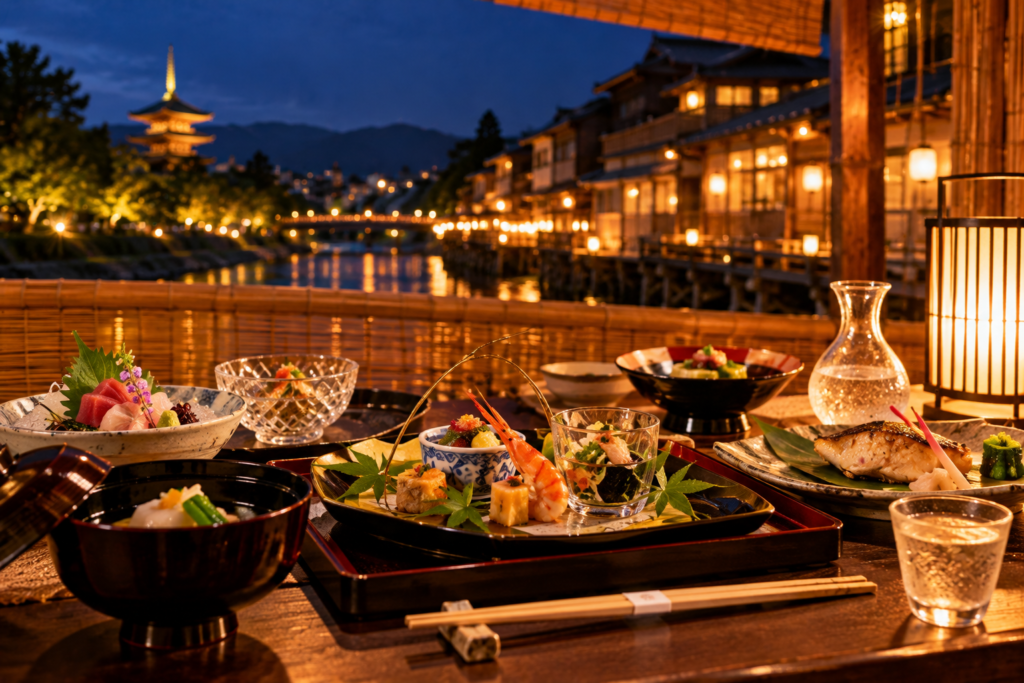
Kyoto cuisine places great value on seasonal ingredients, elegant presentation, and thoughtful hospitality.
For many visitors, a traditional Japanese dinner can become a memorable cultural experience.
What Is Traditional Kyoto Cuisine?
Traditional Kyoto cuisine, often associated with Kyo-ryori, incorporates seasonal ingredients and carefully considered preparation.
The appearance of each dish is often as important as its flavor.
Beautiful ceramic bowls.
Carefully arranged vegetables.
Seasonal decorations.
Delicate colors and textures.
These details reflect Japanese culinary aesthetics.
Try a Traditional Kaiseki-Style Meal
Kaiseki is a style of Japanese dining featuring multiple carefully prepared dishes.
Depending on the restaurant, a meal may include seasonal appetizers, soup, fish, vegetables, and other courses.
Dining traditions and menus vary significantly by establishment.
For honeymoon couples or visitors celebrating a special occasion, a carefully chosen Japanese restaurant can provide a memorable evening.
Consider Dinner in Pontocho
Pontocho is another well-known dining area near central Kyoto.
The narrow street features a variety of restaurants, some in traditional buildings.
It can be an attractive place to enjoy dinner after exploring Gion.
However, not every restaurant serves traditional Kyoto cuisine, and prices vary widely.
Check menus and reservation conditions in advance.
Summer Riverside Dining in Kyoto
During warmer months, some Kyoto restaurants offer seasonal dining on outdoor platforms along the Kamo River.
This tradition is called noryo-yuka.
It provides an opportunity to enjoy a riverside atmosphere while dining.
However, the platforms are seasonal, primarily outdoors, and not necessarily cooler than indoor restaurants during extremely hot weather.
Check opening periods and weather policies.
Booking Tips for International Visitors
Before reserving a restaurant, consider checking:
- English-language menus
- Vegetarian or vegan options
- Food allergies
- Private dining rooms
- Children’s menus
- Reservation and cancellation policies
These services are not available at every restaurant.
Best for: Couples, honeymooners, families, and travelers interested in Japanese food culture.
What Time Do Cultural Activities Start in Kyoto?
The best time to enjoy Kyoto’s evening culture depends on the activity.
Some cultural experiences begin in the afternoon, while theaters, restaurants, and certain sightseeing locations remain available later.
Here’s a general planning guide.
| Time | Suggested Activity |
| 3:00–5:00 PM | A tea ceremony or calligraphy workshop, if a suitable session is available |
| 5:00–6:00 PM | Yasaka Shrine or a short Gion walk |
| 6:00–7:00 PM | Traditional performing arts at Gion Corner |
| 7:00–8:30 PM | Traditional Kyoto dinner |
| After 8:30 PM | Return to your hotel or enjoy permitted evening sightseeing |
These are suggested travel-planning windows, not guaranteed operating hours.
Can You Combine Tea Ceremony and an Evening Performance?
Yes, if the booking times work.
For example, a 90-minute tea ceremony beginning at 3:00 PM would finish around 4:30 PM.
You could then visit Yasaka Shrine before attending a 6:00 PM performance at Gion Corner.
However, this only works if your preferred tea ceremony actually offers an available 3:00 PM booking.
Always check the latest timetable before finalizing your itinerary.
A Romantic Kyoto Evening Itinerary in Gion
Gion is a convenient neighborhood for combining traditional cultural experiences with evening sightseeing.
Here’s a sample itinerary designed for international visitors.
3:00 PM — Experience a Traditional Japanese Tea Ceremony
Begin with a Japanese tea ceremony in Gion.
Learn about the history and customs of tea culture.
Watch the host prepare matcha.
Enjoy traditional Kyoto wagashi.
And, if included, prepare your own matcha using a bamboo whisk.
This provides an opportunity to discover Japanese hospitality before your evening sightseeing begins.
The 3:00 PM start is an example only. Confirm that an appropriate session is offered on your travel date.
5:00 PM — Visit Yasaka Shrine
After your tea ceremony, visit Yasaka Shrine.
Explore the shrine grounds and appreciate traditional architecture.
As sunset approaches, the atmosphere of Gion begins to change.
6:00 PM — Watch Traditional Performing Arts at Gion Corner
Attend an evening performance at Gion Corner.
Discover traditional Japanese dance, music, tea culture, and theater.
The performance lasts approximately 50 minutes.
Check the calendar in advance because seasonal schedules and closures apply.
7:15 PM — Enjoy a Traditional Kyoto Dinner
After the performance, choose a restaurant in Gion or another nearby neighborhood.
Enjoy Japanese cuisine and spend time reflecting on the cultural experiences you’ve discovered.
Booking a table in advance may be especially helpful during popular travel seasons.
8:30 PM — Enjoy the Evening Atmosphere and Return to Your Hotel
Finish your evening with a short walk along permitted public streets.
Appreciate the traditional buildings and lantern-lit atmosphere while respecting the neighborhood’s residents.
Then return to your accommodation using your planned transportation route.
This is a sample itinerary. Adjust all activities according to actual opening hours, booking availability, travel times, and seasonal conditions.
Best Kyoto Evening Experiences for Different Travelers
Kyoto’s evening cultural activities offer something for different travel styles.
Couples and Honeymooners
For couples, combining a Japanese tea ceremony, a walk through Gion, and a special dinner can create a romantic evening.
A traditional performing arts show can also be a memorable shared experience.
Solo Travelers
Solo visitors can enjoy shrine visits, cultural performances, and walks through historic neighborhoods at their own pace.
If booking a workshop, check whether individual reservations are accepted.
Families with Children
For families, consider an earlier evening schedule.
A cultural performance or shrine visit may be enjoyable, but late hours can be tiring for young children.
Check performance duration, minimum age requirements, and seating arrangements.
Cultural Enthusiasts
For travelers who want a deeper introduction to Japanese tradition, combining tea ceremony, maiko culture, and traditional performing arts can be especially rewarding.
These activities introduce different aspects of Japan’s history, aesthetics, and hospitality.
Kyoto at Night in Each Season
The atmosphere of Kyoto changes throughout the year.
Choosing an evening activity that suits the season can make your trip even more memorable.
Spring: Cherry Blossoms and Evening Illuminations
Spring is famous for Kyoto’s beautiful cherry blossoms.
During certain periods, temples and gardens offer special evening illuminations.
However, flowering dates and nighttime opening schedules vary by year.
Confirm dates before planning your trip.
Summer: Festivals and Riverside Dining
Summer brings Kyoto’s famous Gion Matsuri and traditional riverside dining.
These seasonal traditions provide a lively contrast to the city’s quieter cultural experiences.
However, Kyoto can remain hot and humid even after sunset.
Take regular breaks and stay hydrated.
Autumn: Illuminated Maple Leaves
Autumn is one of Kyoto’s most popular sightseeing seasons.
Some temples offer special nighttime access during the fall foliage period.
The combination of illuminated architecture and colorful leaves can create beautiful scenery.
Book ahead when necessary and allow extra time for crowds.
Winter: Lantern-Lit Streets and Traditional Cuisine
Winter brings crisp air and early sunsets.
A short evening walk through Gion can be particularly atmospheric.
However, temperatures can become cold after dark.
Warm clothing is recommended, especially if you plan to visit outdoor shrines or gardens.
A traditional Japanese dinner or indoor cultural performance can be a comfortable addition to your winter itinerary.
5 Essential Tips for Exploring Kyoto at Night
Before heading out, keep these practical tips in mind.
1. Check the Final Admission Time
Some attractions have evening opening hours but stop admitting visitors earlier.
Always check the final admission time rather than just the closing time.
2. Plan Your Return Transportation
Kyoto’s trains and buses operate on different schedules.
Check your final connection before planning a late dinner or performance.
3. Respect Photography Restrictions
Photography is prohibited or restricted in some parts of Gion and inside certain temples, shrines, and cultural venues.
Follow posted rules and avoid obstructing other visitors.
4. Stay on Public and Well-Lit Streets
Historic Kyoto has narrow streets and darker areas.
Avoid entering private alleys and use established public routes.
5. Book Special Experiences in Advance
Some cultural performances, workshops, and restaurants have limited capacity.
Advance reservations can help you avoid disappointment, especially during popular travel seasons.
Experience Traditional Japanese Culture at THE TEA CEREMONY GION Orizuruya
Located in Kyoto’s historic Gion district, THE TEA CEREMONY GION Orizuruya offers several traditional Japanese cultural experiences for visitors.
Its central location makes it convenient to combine a cultural activity with sightseeing around Gion.
The venue is approximately four minutes on foot from Gion-Shijo Station and seven minutes from Kyoto-Kawaramachi Station.
Traditional Japanese Tea Ceremony
The standard Tea Ceremony Experience introduces visitors to Japanese tea culture and hospitality.
Guests can observe a traditional tea demonstration, learn about basic etiquette, and enjoy Kyoto wagashi.
Participants also have the opportunity to prepare their own matcha using a bamboo whisk.
Kimono dressing is included in the program.
Duration: Approximately 90 minutes
Listed price: ¥7,700 per person
Explore the Traditional Tea Ceremony
Japanese Calligraphy and Tea Ceremony
Orizuruya also offers a combined calligraphy and tea ceremony experience.
During this program, guests can discover traditional Japanese brush writing and learn about matcha preparation.
It provides an opportunity to experience two Japanese traditions during the same visit.
Duration: Approximately 120 minutes
Listed price: ¥13,200 per person
Discover the Calligraphy and Tea Ceremony Experience
Authentic Maiko Tea Ceremony
For visitors interested in Kyoto’s traditional entertainment culture, Orizuruya offers a special tea ceremony involving a real maiko.
Guests can observe the maiko preparing tea and learn about traditional hospitality.
The program also includes an opportunity to prepare matcha.
It can be a memorable experience for couples, honeymooners, and travelers interested in authentic Kyoto culture.
Duration: Approximately 90 minutes
Listed price: ¥16,500 per person, including tax
Discover the Authentic Maiko Tea Ceremony
Can You Visit Orizuruya in the Evening?
If you’d like to combine an Orizuruya experience with evening sightseeing, first check the official reservation calendar.
Late-afternoon or nighttime availability should not be assumed.
A convenient plan is to attend a confirmed afternoon cultural experience and then continue to Yasaka Shrine, Gion Corner, or a restaurant.
Prices and program details reflect official information checked in October 2026. They may change, so confirm the latest booking conditions before reserving.
Frequently Asked Questions About Kyoto Evening Cultural Experiences
What are the best things to do in Kyoto at night?
Popular options include watching traditional Japanese performances at Gion Corner, visiting Yasaka Shrine, walking through Gion, enjoying traditional Kyoto cuisine, and attending seasonal temple illuminations.
Is Kyoto worth visiting at night?
Yes. Kyoto offers a different atmosphere after sunset, with lantern-lit historic streets, traditional performances, and special evening sightseeing opportunities.
Can you visit Gion at night?
Yes. Visitors can walk along public streets and enjoy the historic atmosphere. However, private roads and restricted areas must be respected.
Can foreigners watch a real maiko performance?
Yes. Organized cultural programs and traditional performing arts venues offer opportunities to discover Kyoto’s maiko and geiko culture.
Are Japanese tea ceremonies available at night?
Availability depends on the provider. Some programs may offer late sessions, but many operate during the daytime. Always check the booking calendar.
What time does Gion Corner start?
Regular performances are scheduled for 6:00 PM and 7:00 PM and last approximately 50 minutes. Seasonal schedules and closures apply.
Is Yasaka Shrine open at night?
Yes. The shrine grounds are generally accessible 24 hours a day. However, the shrine office and certain services have limited hours.
Are Kyoto temples open at night?
Some temples offer seasonal nighttime illuminations or special openings. Most are not open every evening, so check the official schedule.
Is Kyoto romantic at night?
Yes. Gion’s traditional atmosphere, cultural performances, and Kyoto’s dining experiences can make for a memorable evening for couples.
Can solo travelers enjoy Kyoto at night?
Yes. Solo travelers can attend performances, visit shrines, enjoy dinner, and explore public streets independently. Check transportation and stay aware of your surroundings.
What can families do in Kyoto in the evening?
Families may enjoy traditional performances, early-evening shrine visits, and cultural dining. Choose an appropriate schedule and confirm age requirements.
Is it acceptable to photograph maiko in Gion?
Do not take unauthorized photographs of maiko or geiko, follow them, or obstruct their work. Respect local photography restrictions and choose organized cultural experiences instead.
How long should I spend in Gion at night?
A short walk of 30–60 minutes may be enough to enjoy the atmosphere. Allow more time if you plan to attend a performance or have dinner.
Do I need to book Kyoto evening activities in advance?
Advance booking is recommended for limited-capacity performances, cultural workshops, special temple events, and popular restaurants.
Discover Kyoto’s Traditional Culture After Sunset
Kyoto is famous for its temples, shrines, gardens, and historic architecture.
But its cultural beauty continues into the evening.
A peaceful tea ceremony.
An authentic maiko cultural experience.
Traditional Japanese dance and theater.
Lantern-lit Yasaka Shrine.
Seasonal temple illuminations.
The atmospheric streets of Gion.
And a memorable dinner featuring Kyoto’s traditional cuisine.
These experiences offer different ways to appreciate Japan’s historic capital.
For international visitors, Kyoto’s evening culture is an opportunity to learn about traditions that continue to be practiced today.
Rather than filling your schedule with endless sightseeing stops, choose the experiences that interest you most.
Allow time to appreciate your surroundings.
Respect the local community.
And enjoy Kyoto at a relaxed pace.
Don’t end your Kyoto adventure when the sun goes down. Discover the traditional culture, beautiful atmosphere, and memorable experiences that make Kyoto special after dark.
Experience Traditional Japanese Tea Ceremony in Gion, Kyoto