

10 Best Things to Do in Gion, Kyoto: Culture, Temples & Traditional Experiences
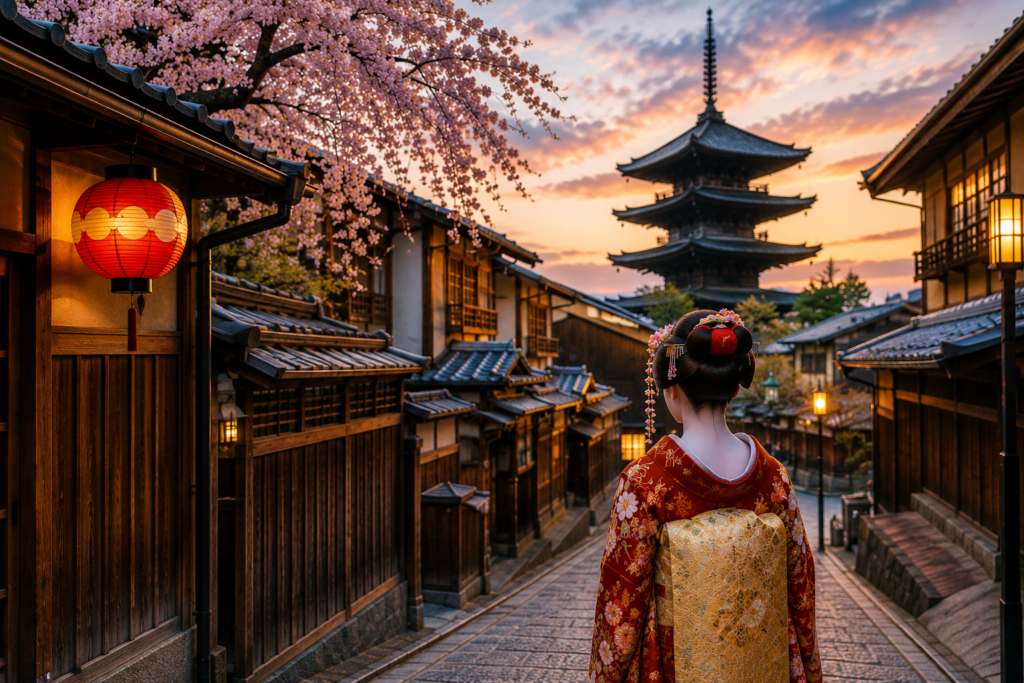
If you are visiting Kyoto, Gion is one neighborhood you should not miss.
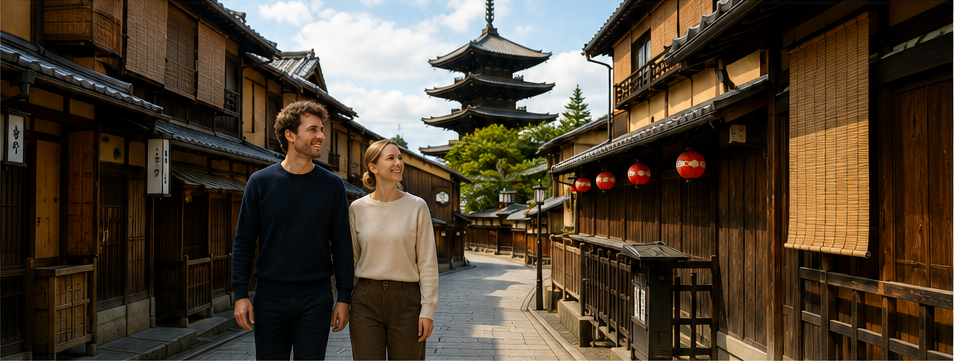
With its traditional wooden machiya townhouses, historic streets, temples, shrines, and teahouses, Gion is one of the best places in Kyoto to experience the atmosphere of traditional Japan.
If you are lucky, you may even catch a glimpse of a maiko or geiko walking through the neighborhood.
But if this is your first visit to Kyoto, you may be wondering:
“What are the best things to do in Gion?”
“What are the must-see attractions in Gion?”
“Where can I experience traditional Japanese culture?”
“Can I explore Gion in half a day?”
Gion offers much more than sightseeing. You can experience Japanese traditions such as tea ceremony, matcha, wagashi, kimono, and maiko culture.
In this guide, we introduce the best things to do in Gion, Kyoto, along with a recommended half-day itinerary for first-time visitors.
What Is Gion, Kyoto?
Gion is a historic district located in Kyoto’s Higashiyama area.
It is one of the most famous neighborhoods in Kyoto and is home to popular attractions such as Hanami-koji Street, Kennin-ji Temple, and Yasaka Shrine.
Gion also developed as one of Kyoto’s traditional kagai, or geiko entertainment districts.
This culture continues today, with geiko and maiko still working and training in the area. Traditional teahouses and wooden machiya buildings also preserve the historic atmosphere of the neighborhood.
But the appeal of Gion is not limited to one famous attraction.
Walk along historic streets.
Visit temples and shrines.
Enjoy Japanese cuisine.
Taste matcha and traditional sweets.
Experience a tea ceremony.
Discover maiko culture.
One of the best things about Gion is that you can experience many different aspects of Japanese culture within a relatively compact area.
How to Get to Gion
One of the most convenient stations for visiting Gion is Gion-Shijo Station on the Keihan Main Line.
From the station, you can walk directly into the Gion district.
Kyoto-Kawaramachi Station on the Hankyu Line is also within walking distance.
If you are traveling from Kyoto Station, you can reach Gion by public transportation or taxi.
Once you arrive, exploring on foot is highly recommended.
Many of Gion’s major attractions are within walking distance of one another, and some of the neighborhood’s most memorable scenery can be found along the small streets between destinations.
1. Walk Along Hanami-koji Street
If this is your first time in Gion, Hanami-koji Street is one of the best places to begin.
It is one of Gion’s most famous streets and is surrounded by traditional wooden buildings, restaurants, and teahouses.
The architecture and atmosphere offer a glimpse into the historic character of Kyoto.
Do not limit yourself to the main street, either.
The surrounding area contains many atmospheric streets and alleys that are worth exploring.
Rather than rushing from one attraction to another, take your time and enjoy the neighborhood itself.
Remember Your Manners When Exploring Gion
Gion is a popular tourist destination, but it is also a real neighborhood where people live and work.
Respect private property and follow local signs regarding photography and access.
If you happen to see a maiko or geiko, do not chase them, block their path, or approach them for photographs without permission.
They may be on their way to work.
Respecting local residents and traditions helps preserve Gion for everyone.
2. Discover Zen Culture at Kennin-ji Temple
Another must-see attraction in Gion is Kennin-ji Temple.
Founded in 1202, Kennin-ji is widely known as Kyoto’s oldest Zen temple and is conveniently located near the center of Gion.
Step inside the temple grounds and the atmosphere quickly changes from the lively streets outside.
The temple offers visitors an opportunity to enjoy traditional architecture, gardens, artwork, and the peaceful atmosphere associated with Zen Buddhism.
It is particularly worth visiting if you want to experience more than the busy sightseeing areas of Kyoto.
Zen Buddhism also has a deep historical relationship with Japanese tea culture.
Visiting a Zen temple and experiencing a tea ceremony on the same day can therefore offer a deeper perspective on traditional Japanese culture.
3. Visit Yasaka Shrine
Yasaka Shrine is one of the most famous landmarks in the Gion area.
Located at the eastern end of Gion, the shrine has a long history and remains an important part of life in Kyoto.
It is also closely connected with the famous Gion Matsuri, one of Japan’s best-known traditional festivals.
Yasaka Shrine is easy to combine with a walking tour of Gion, making it a convenient stop for first-time visitors.
From the shrine, you can also continue into Maruyama Park and the wider Higashiyama area.
If you have more time, this is a great way to extend your Gion sightseeing route.
4. Experience a Traditional Tea Ceremony in Gion
If you want to do more than simply look at traditional Japanese culture, consider joining a tea ceremony in Gion.
Kyoto is filled with beautiful temples, shrines, gardens, and historic buildings.
Tea ceremony offers something different.
It allows you to participate in Japanese culture yourself.
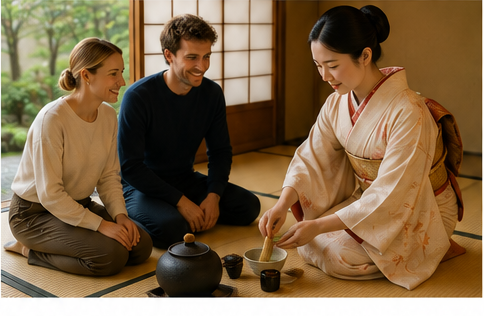
Enter a traditional tatami room.
Learn about the meaning and history of tea ceremony.
Watch the careful preparation of matcha.
Enjoy Japanese wagashi sweets.
Use a bamboo chasen to whisk your own bowl of matcha.
These small experiences can give you a much deeper understanding of Japanese culture than sightseeing alone.
Gion is an especially memorable place for tea ceremony because the neighborhood itself is deeply connected to Kyoto’s traditional culture.
After walking through the historic streets, stepping into a quiet tea room creates an entirely different way to experience the city.
5. Discover Maiko Culture
One of the traditions most closely associated with Gion is the culture of maiko and geiko.
International visitors may be more familiar with the word “geisha,” but in Kyoto the term geiko is commonly used.
Maiko are young women training in traditional performing arts and hospitality before becoming geiko.
Their training can include traditional dance, music, shamisen, conversation, etiquette, and other aspects of Japanese culture.
Geiko are accomplished professional artists who have completed extensive training in these traditions.
Gion remains one of the places where this culture continues today.
Can You See a Maiko on the Streets of Gion?
You may occasionally see a maiko or geiko walking through Gion.
However, there is no guarantee.
More importantly, maiko and geiko are not walking through Gion as tourist attractions. They are often traveling to work or appointments.
Never chase them, block their way, or take intrusive photographs.
If meeting a real maiko is an important part of your Kyoto trip, booking an organized cultural experience is a much more respectful and reliable option.
6. Experience a Tea Ceremony with a Maiko
For travelers looking for a particularly memorable experience in Gion, it is possible to combine two of Kyoto’s best-known traditions: tea ceremony and maiko culture.
A traditional tea ceremony already offers a fascinating introduction to Japanese hospitality, aesthetics, and matcha culture.
Experiencing it with a maiko makes the occasion uniquely connected to Kyoto and Gion.
At THE TEA CEREMONY GION Orizuruya, visitors can choose a Maiko Tea Ceremony Experience in addition to the regular tea ceremony program.
Guests can watch a real maiko perform tea preparation at close range while experiencing traditional hospitality in the heart of Gion.
Rather than trying to find a maiko on the street, this provides an opportunity to experience the culture in an appropriate and relaxed setting.
For many international travelers, it can become one of the most memorable experiences of their trip to Kyoto.
7. Enjoy Matcha and Traditional Kyoto Sweets
You will find plenty of places to enjoy matcha and Japanese sweets while exploring Gion.
Matcha has become popular around the world, appearing in everything from lattes to cakes and ice cream.
In Japan, however, matcha has a much longer history as an important part of tea culture.
During a traditional tea ceremony, matcha is commonly enjoyed together with wagashi, or Japanese sweets.
The sweetness of wagashi complements the distinctive bitterness and richness of matcha.
Wagashi also reflects Japan’s strong appreciation for the seasons.
Colors, shapes, and ingredients may change throughout the year to represent cherry blossoms in spring, cool scenery in summer, autumn leaves, or winter landscapes.
Stopping at a matcha café can certainly be enjoyable.
But if you want to understand matcha in its traditional cultural context, experiencing it as part of a Japanese tea ceremony offers something very different.
8. Explore Gion in a Kimono
Renting a kimono has become a popular cultural experience for visitors to Kyoto.
Gion is one of the best areas to enjoy it.
Traditional wooden buildings, temples, shrines, and historic streets create a beautiful setting for walking around Kyoto in traditional Japanese clothing.
A typical day might include:
Renting a kimono.
Walking through Gion.
Visiting Yasaka Shrine.
Exploring Hanami-koji.
Joining a tea ceremony.
This allows you to experience several aspects of traditional Kyoto in a single day.
Remember that kimono and traditional footwear may be less comfortable for long-distance walking than your usual clothes.
Keep your itinerary relaxed and leave enough time between activities.
9. Walk Along the Kamo River
After exploring Gion, head toward Gion-Shijo Station and take a walk along the Kamo River.
The river runs through central Kyoto and is an important part of everyday life in the city.
Locals come here to walk, relax, exercise, or simply sit beside the water.
After spending time among Gion’s historic buildings and busy sightseeing areas, the river can provide a relaxing change of pace.
Crossing the river also takes you toward central Kyoto areas such as Kawaramachi and Pontocho.
This makes it an easy stop before dinner.
10. Spend the Evening in Pontocho
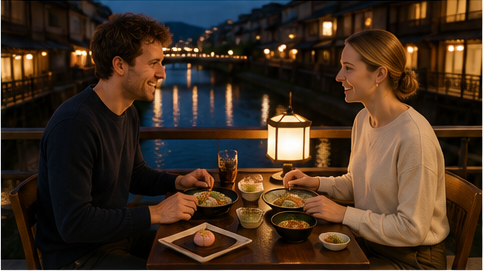
A great way to finish your day around Gion is with dinner in or around Pontocho.
Pontocho is a narrow historic alley located across the Kamo River from Gion.
The area is known for its restaurants and atmospheric evening scenery.
Depending on your preferences, you can find Japanese cuisine and many other dining options nearby.
Its location also makes it easy to create a full afternoon and evening itinerary:
Gion sightseeing → Tea ceremony → Kamo River → Dinner in Pontocho
After spending the day experiencing Kyoto’s traditional culture, it is an enjoyable way to end your evening.
Recommended Half-Day Gion Itinerary
You do not necessarily need an entire day to enjoy Gion.
With some planning, you can experience temples, historic streets, traditional culture, and local scenery in half a day.
Here is one example.
1:00 PM — Visit Kennin-ji Temple
Begin at Kennin-ji and spend some time experiencing the calm atmosphere of one of Kyoto’s most important Zen temples.
2:00 PM — Explore Hanami-koji and Gion
Walk through the historic streets surrounding Hanami-koji.
Take your time to appreciate the wooden machiya architecture and atmosphere of the neighborhood.
3:00 PM — Experience a Japanese Tea Ceremony
Step into a traditional tea room and experience Japanese tea culture.
For a more interactive experience, choose a program that allows you to use a chasen and prepare matcha yourself.
5:00 PM — Visit Yasaka Shrine
After tea ceremony, continue through Gion to Yasaka Shrine.
Explore one of the neighborhood’s most important landmarks.
6:00 PM — Kamo River and Pontocho
Walk back toward Gion-Shijo and relax beside the Kamo River.
Then cross the river and enjoy dinner around Pontocho or Kawaramachi.
This itinerary allows you to experience temples, traditional streets, Japanese culture, shrines, and food while exploring most of the area on foot.
Experience Traditional Gion at THE TEA CEREMONY GION Orizuruya
If you want to add an authentic cultural activity to your Gion itinerary, visit THE TEA CEREMONY GION Orizuruya.
Orizuruya is located in the heart of Gion, approximately a 4-minute walk from Gion-Shijo Station and a 7-minute walk from Kyoto-Kawaramachi Station.
Its location makes it easy to combine with other Gion attractions during a day of sightseeing.
During the regular Tea Ceremony Experience, guests can learn about Japanese tea culture and use a traditional bamboo chasen to prepare their own matcha.
The experience also includes Japanese sweets from long-established Kyoto confectioners, allowing visitors to discover the traditional relationship between matcha and wagashi.
Depending on the experience you are looking for, Orizuruya offers cultural programs including:
- Tea Ceremony Experience
- Calligraphy & Tea Ceremony Experience
- Maiko Tea Ceremony Experience
Whether you are interested in matcha, Japanese aesthetics, calligraphy, or Kyoto’s maiko culture, you can choose an experience that fits your trip.
Instead of simply seeing traditional Gion from the outside, it is an opportunity to step inside and participate in the culture yourself.
Frequently Asked Questions About Visiting Gion
How long do you need to explore Gion?
You can see several of Gion’s major attractions in a few hours.
If you want to visit temples and shrines and participate in a cultural activity such as tea ceremony, allowing around half a day will give you a more relaxed experience.
Is Gion worth visiting at night?
Yes.
Gion has a different atmosphere after sunset, and the historic streets can be particularly atmospheric in the evening.
Remember that people live and work in the neighborhood, so be quiet and respectful, especially at night.
Can I meet a maiko in Gion?
You may occasionally see a maiko while walking through Gion, but there is no guarantee.
If you specifically want to experience maiko culture, booking an organized maiko experience in advance is a more reliable and respectful option.
What are the best cultural experiences in Gion?
For first-time visitors, walking through the historic streets, visiting temples and shrines, experiencing tea ceremony, and trying matcha and wagashi are all excellent choices.
If you want an experience particularly connected to Gion, consider an opportunity to learn about maiko culture as well.
Can you explore Gion on foot?
Yes.
Many attractions, including Hanami-koji, Kennin-ji Temple, Yasaka Shrine, and other points of interest, are within walking distance of each other.
Comfortable walking shoes are recommended.
Go Beyond Sightseeing in Gion, Kyoto
Gion is filled with some of the images people imagine when they think of traditional Kyoto.
Wooden machiya houses.
Historic streets.
Temples and shrines.
Tea culture.
Maiko and geiko.
Simply walking through the neighborhood is an experience in itself.
But if you have the opportunity, go beyond sightseeing and participate in the culture.
Taste matcha.
Prepare your own bowl of tea.
Discover Japanese wagashi.
Learn about tea ceremony.
Experience maiko culture.
These moments can transform Gion from somewhere you simply photographed into somewhere you truly experienced.
When you visit Kyoto, take time to explore the historic streets of Gion and discover the traditional culture that continues to live there today.